Introduction
Luxury is no longer limited to the exterior of a vehicle. Today, luxe automotive interiors bring together premium materials, sophisticated design, thoughtful technology and everyday comfort to create a more refined driving experience. For Australian drivers, a beautiful car cabin should also withstand changing weather, long journeys and daily wear without losing its appeal.
Whether you own a premium European sedan, a family SUV, an electric vehicle or a classic Australian car, upgrading the interior can make driving more enjoyable. However, genuine luxury is not simply about expensive leather, decorative lighting or polished surfaces. It comes from the way every element works together.
A successful interior design balances comfort, function, safety and personal style. For example, a beautifully trimmed seat should also provide proper support. Likewise, an elegant dashboard should remain easy to use while driving.
This guide explains the principles behind premium automotive interior design, the materials worth considering, the customisation process and the practical factors Australian vehicle owners should understand before investing in an upgrade.
What are luxe automotive interiors?
Luxe automotive interiors are vehicle cabins designed or upgraded using premium materials, thoughtful colour schemes, comfortable seating and refined finishes. In Australia, a successful luxury interior also considers heat, everyday wear, cleaning and vehicle safety. Popular upgrades include custom upholstery, dashboard trims, headliners, carpets and carefully integrated cabin lighting.

Table of Contents
- Why Luxe Automotive Interiors Appeal to Australian Drivers
- Essential Design Principles for Luxury Vehicle Cabins
- Choosing Premium Automotive Interior Materials
- Colour Schemes and Visual Harmony
- Popular Luxury Car Interior Upgrades
- Factory Luxury vs Custom Automotive Interiors
- Australian Safety Standards and Vehicle Modifications
- Designing for Australia’s Climate
- Budgeting for Luxury Automotive Interiors
- Choosing an Automotive Interior Specialist
- Step-by-Step Interior Upgrade Checklist
- Maintaining a Premium Car Interior
- Common Design and Customisation Mistakes
- Automotive Luxury and Residential Interior Design
- People Also Ask
- Expert Q&A
- Conclusion
1. Why Luxe Automotive Interiors Appeal to Australian Drivers
The interior of a car is where drivers and passengers spend most of their time. Although exterior styling creates the first impression, the cabin shapes the everyday ownership experience.
A carefully designed interior can make routine travel feel more pleasant. Supportive seating reduces discomfort, while a practical layout makes controls and storage easier to access. In addition, suitable materials can make cleaning and general maintenance simpler.
For many Australian drivers, comfort matters because travel conditions vary widely.
A driver commuting through Melbourne may value quiet materials, supportive seats and practical storage. Meanwhile, someone travelling regularly through regional Queensland may prioritise heat resistance, durable upholstery and easy-to-clean surfaces.
Families often place greater importance on stain resistance and long-term wear. By contrast, enthusiasts restoring a classic vehicle may focus on matching the original design.
Therefore, luxury should reflect the vehicle owner’s needs rather than follow a single trend.
The difference between expensive and luxurious
A high price does not automatically create a luxurious interior.
For example, replacing every surface with glossy decorative material can make a cabin appear busy. Although the components may be expensive, the overall result can lack balance.
By comparison, a restrained interior with quality upholstery, consistent stitching and carefully selected trim can feel more refined.
A useful design principle is to focus on three things: how the interior looks, how it feels and how well it works.
When these qualities support one another, the cabin becomes more enjoyable without unnecessary complexity.
Why personalisation matters
Factory interiors are designed to appeal to a wide range of buyers. However, they cannot always reflect individual tastes or driving habits.
Custom interior work offers greater control over colour, texture and finishing details.
For instance, an owner may want a warm tan leather interior instead of standard black upholstery. Another may prefer a modern charcoal cabin with subtle contrast stitching.
Personalisation also allows worn components to be restored.
Nevertheless, changes should respect the vehicle’s original safety systems and design requirements. An attractive result should never come at the expense of occupant protection.
2. Essential Design Principles for Luxe Automotive Interiors
Luxury vehicle interior design involves more than choosing attractive materials.
The strongest results generally follow a clear design concept. Each colour, surface and feature should contribute to the overall experience.
Comfort comes before decoration
Seats are among the most important elements in any vehicle cabin.
They support the body during acceleration, cornering and braking. Therefore, their shape, padding and adjustment systems matter just as much as the covering material.
For example, a seat with beautiful leather but poor support may feel uncomfortable on a long trip.
Likewise, replacing original padding without careful planning could affect seating position and comfort.
When considering upholstery work, ask whether the project will preserve the seat’s original structure and safety features.
A good design should improve the cabin’s appearance without creating an uncomfortable driving position.
Proportion and visual balance
Every vehicle has a different cabin layout.
A large luxury SUV may accommodate bold textures and contrasting panels. However, a compact sedan can look cluttered when too many decorative elements are introduced.
Therefore, designers should consider the size and shape of the cabin before selecting materials.
Dark lower panels can provide visual stability. Lighter upper surfaces may make some cabins feel more open.
However, light colours can also create reflections or show dirt more readily. The right choice depends on the vehicle and its use.
Quality of finish
Small details often have a strong effect on perceived quality.
Consistent stitching, neatly finished edges and secure trim panels help create a cohesive appearance.
By contrast, loose upholstery, uneven seams or visible adhesive can make an expensive renovation look unfinished.
When assessing completed automotive upholstery work, inspect areas that are easy to overlook.
Look beneath seat edges where visible, around door handles and along the junction between different trim materials.
These details provide useful clues about workmanship.
Sensory comfort
A luxury interior appeals to several senses.
Soft-touch materials can improve tactile comfort. Meanwhile, suitable insulation and well-fitted trim may reduce unwanted rattles.
Lighting can also influence the atmosphere of a cabin.
However, decorative lighting should not distract the driver, obscure controls or create unwanted reflections.
The aim is a calm and comfortable environment rather than a dramatic display.
3. Choosing Premium Materials for Luxe Automotive Interiors
Material selection is one of the most important decisions in any luxury car interior project.
Different materials offer different benefits. Some provide a soft, natural feel, while others are easier to clean or better suited to frequent use.
Therefore, the most expensive option is not always the most practical one.
Comparing automotive upholstery materials
| Material | Main advantages | Limitations | Suitable applications |
| Genuine leather | Natural appearance, soft feel, repair potential | Needs suitable care and can show wear or dye transfer | Premium seating and selected trim |
| Synthetic leather | Available in many colours and finishes; often easy to wipe clean | Quality varies, and some products may crack or peel over time | Seats, door panels and high-use areas |
| Suede-effect microfibre | Soft texture and low-gloss appearance | Cleaning requirements vary, and some marks can be difficult to remove | Headliners and selected trim panels |
| Automotive-grade fabric | Breathable feel, varied textures and patterns | Some fabrics absorb stains and odours more readily | Family cars and everyday seating |
| Real wood veneer | Natural grain and distinctive appearance | Can need protection from moisture, sunlight and abrasion | Decorative dashboard and door trims |
| Brushed metal or metal-look trim | Modern appearance and strong visual contrast | Some finishes show fingerprints or become hot in direct sun | Small decorative accents |
These comparisons are general. Actual performance depends on the product, its finish, its testing and the quality of installation.
Genuine leather and its appeal
Leather remains a popular material in high-end automotive interiors.
Its natural texture offers a different feel from many synthetic alternatives. Furthermore, it can complement both traditional and modern cabin designs.
However, leather quality varies considerably.
Terms such as Nappa leather often describe a soft leather finish rather than one universal quality standard. As a result, buyers should ask about the actual product, coating, origin and maintenance requirements.
Colour also affects ownership.
Pale leather can create an elegant appearance, but it may show stains and dye transfer from clothing. Dark leather may hide some marks, although it can become hot when exposed to sunlight.
Therefore, the best choice depends on how the vehicle is used.
Synthetic upholstery and practical luxury
Modern synthetic upholstery can offer a convincing premium appearance.
Some products are designed for demanding automotive applications, making them suitable for frequently used surfaces.
They can also provide consistent colour and texture across different interior components.
However, not all synthetic materials have the same durability.
For example, a low-quality covering may look attractive when new but deteriorate under repeated friction and heat.
Before purchasing, request product details and, where available, evidence of abrasion resistance, colourfastness and suitability for automotive use.
Also, remember that labels such as vegan leather describe the absence of animal leather, not necessarily the environmental impact or lifespan of the material.
Suede-effect finishes
Suede-effect surfaces are commonly associated with performance-oriented and premium vehicles.
They can create a softer visual atmosphere, especially when combined with leather or understated trim.
However, this type of material requires careful selection.
An automotive-grade product intended for a headliner may not necessarily be suitable for a high-contact seat surface.
Consequently, buyers should match each material to the area where it will be installed.
A skilled automotive trimmer should be able to explain the intended application and care requirements.
Sustainable material choices
Sustainability is becoming an important consideration in interior design.
However, material selection should be based on evidence rather than marketing claims.
For example, a product described as recycled may contain some recycled components, but that does not automatically make it more durable or environmentally preferable.
Similarly, natural leather and synthetic leather have different environmental considerations.
A balanced approach examines product longevity, repairability, manufacturing information and end-of-life options.
Where possible, ask suppliers for clear information about material composition and maintenance.
The goal is to select a product that suits the vehicle and can remain useful for many years.
4. Colour Schemes and Visual Harmony in Luxury Car Interiors
Colour has a major influence on how a vehicle cabin feels.
A well-planned palette can make the interior appear calm, spacious and cohesive.
However, too many colours may compete for attention.
For this reason, a restrained approach often works best.
Black and charcoal interiors
Black remains a practical choice for many luxury vehicles.
It can provide a sleek appearance and works well with brushed metal or subtle timber accents.
However, a completely black cabin may feel visually heavy.
Introducing different textures can add depth without requiring more colour.
For example, smooth leather seats can be paired with a low-gloss dashboard and soft headliner material.
This creates variation while keeping the overall design consistent.
Cream and beige interiors
Light neutral colours can create an open and sophisticated atmosphere.
They are often associated with spacious executive sedans and contemporary luxury vehicles.
However, lighter surfaces may require more frequent cleaning.
Families with young children or pets should consider how these finishes will perform in everyday use.
For some owners, using cream on selected upper surfaces while retaining darker lower panels can provide a useful compromise.
Tan and warm brown interiors
Tan leather is frequently chosen for its classic appearance.
It can complement black dashboards, dark carpets and timber-look trim.
Additionally, warm browns may suit both modern and heritage-inspired vehicles.
However, the exact shade matters.
A reddish tan can create a very different result from a muted saddle brown. Therefore, samples should be viewed inside the actual vehicle before a final decision.
Two-tone colour schemes
Two-tone interiors use contrasting colours to define different areas.
For example, dark charcoal seating may feature lighter centre panels. Alternatively, a black dashboard can be paired with tan seats and matching door inserts.
The key is consistency.
Repeated colours help connect separate components and prevent the cabin from looking fragmented.
Before approving the design, request a colour plan that shows how the seats, doors, dashboard and headliner will work together.
5. Popular Upgrades for Luxe Automotive Interiors
Not every vehicle requires a complete redesign.
In many cases, carefully selected upgrades can improve the interior while preserving much of the original cabin.
The most suitable work depends on the vehicle’s condition, safety equipment and the owner’s budget.
Custom seat upholstery
Seat upholstery is one of the most visible features of a car interior.
Replacing worn coverings can restore a clean appearance. Meanwhile, carefully chosen colours and stitching may create a more personalised look.
However, modern seats can contain side airbags, heating elements, ventilation systems and occupant-detection components.
These features make professional assessment essential.
Any work affecting airbag-equipped seating must preserve its intended safety function and follow the vehicle manufacturer’s requirements.
Dashboard and centre console trims
The dashboard creates much of the cabin’s visual identity.
Therefore, changes to visible trim can have a strong design effect.
Possible upgrades include refinishing selected decorative panels or restoring damaged surfaces.
However, areas near airbags, displays, switches and vents require particular care.
Covering a dashboard with unsuitable material can interfere with fit, visibility or safety features.
Consequently, major changes should be assessed by an appropriately qualified specialist rather than treated as a simple decorative task.
Premium headliners
The headliner is the material covering the interior roof.
Over time, its fabric may sag, detach or become stained.
Replacing a worn headliner can significantly improve the cabin’s appearance.
For example, a darker headliner may create a more enclosed, refined atmosphere in a sporty vehicle.
Nevertheless, the installer must account for overhead airbags, roof controls, lighting, wiring and any other integrated components.
Material and adhesive selection should also suit the temperatures experienced inside vehicles.
Door panel refurbishment
Door panels combine visual design with everyday function.
They contain handles, switches, storage areas and, in some vehicles, safety-related components.
A refreshed door insert can help connect the colour scheme across the cabin.
However, decorative changes should not obstruct window controls or interfere with the correct operation of doors and safety systems.
Good workmanship should preserve a secure fit and prevent unwanted rattles.
Carpets and floor coverings
Flooring receives regular contact from shoes, dirt and moisture.
Therefore, a luxurious carpet should also be practical.
Some drivers prefer deep-pile materials for a soft appearance. Others value more durable carpeting that is easier to maintain.
Regardless of style, floor mats must be properly secured and must not interfere with the accelerator, brake or clutch pedals.
This is especially important when using custom-made floor coverings.
Interior lighting
Subtle ambient lighting can improve the visual atmosphere of a cabin after dark.
For example, soft illumination around selected trim areas may make the interior feel more welcoming.
However, brightness and placement matter.
Lighting should not affect the driver’s vision or distract other road users.
Before installing aftermarket lighting, check relevant vehicle requirements and have electrical work assessed by a competent automotive professional.
6. Factory Luxury vs Custom Automotive Interiors
Australian vehicle owners can approach interior upgrades in several ways.
Some prefer manufacturer-approved components. Others want bespoke upholstery or carefully selected aftermarket products.
Each option has benefits and limitations.
| Upgrade approach | Advantages | Considerations | Best suited to |
| Factory or manufacturer-approved components | Designed for a specified vehicle and may simplify compatibility checks | Colour and design choices may be limited; components can be costly | Owners who value an original appearance |
| Australian custom upholstery specialist | Personalised design, local consultation and material selection | Quality depends on installer skills, product choice and scope | Bespoke luxury projects |
| Imported aftermarket interior kit | May provide additional styles or lower entry costs | Fit, documentation, delivery and safety compatibility require checking | Suitable non-safety-critical cosmetic upgrades |
| Restoration of original components | Preserves the vehicle’s character and may reduce unnecessary replacement | Some original materials or parts may be difficult to source | Classic and collector vehicles |
When custom work makes sense
Custom upholstery can be appealing when the original interior is damaged or does not match the owner’s preferences.
For instance, an older vehicle may have mechanically sound seats but heavily worn coverings.
Restoring the upholstery may improve the cabin without requiring a complete redesign.
However, the owner should confirm which components can safely be reused.
When factory components are preferable
Factory-compatible parts are often a sensible option where complex systems are involved.
Seats, airbags, sensors and electrical controls may require precise compatibility.
Therefore, visual appeal alone should not determine the choice.
An aftermarket product should only be considered after its suitability for the exact vehicle has been established.
7. Australian Safety Standards and Vehicle Modifications
Safety must remain a central part of planning luxe automotive interiors.
Australian vehicles are subject to roadworthiness and vehicle-standard requirements. However, the exact process for approving modifications depends on the type of change and the state or territory.
Understanding Vehicle Standards Bulletin 14
According to the Australian Government’s National Code of Practice for Light Vehicle Construction and Modification, known as VSB 14, the code provides technical requirements for various light vehicle modifications.
Its Section LK addresses seating and occupant protection.
However, the national code does not replace the administrative procedures used by individual states and territories.
This distinction is important.
A simple cosmetic repair may be treated differently from replacing seats, changing anchorages or modifying occupant protection systems.
Victorian vehicle modification requirements
For Melbourne and other Victorian drivers, VicRoads vehicle modification guidance explains the need to check compliance and maintain roadworthiness.
Depending on the modification, notification, inspection or approval may be required.
Some changes need assessment through the Vehicle Assessment Signatory Scheme, commonly called VASS.
This scheme involves authorised signatories who assess particular vehicle modifications.
However, not every cosmetic interior change automatically needs engineering certification.
Owners should confirm the requirements for their proposed work before proceeding.
Airbags and seatbelt systems
Airbags and seatbelts are essential safety components.
As a result, modifying seat structures or fitting unsuitable upholstery can create serious risks.
For example, some vehicles contain airbags integrated into the sides of front seats.
Replacing the original seat covering with an incompatible design may interfere with deployment.
Likewise, changing seatbelt components or anchorages is not a decorative modification.
These tasks require specialist assessment and, where applicable, appropriate certification.
Owners should never assume that an attractive aftermarket part is safe simply because it fits.
Insurance and warranty considerations
Some modifications may affect insurance arrangements or manufacturer warranty coverage.
Therefore, owners should contact their insurer and relevant warranty provider before major work.
It is useful to describe the proposed changes clearly and request written confirmation of any conditions.
In addition, the Australian Competition and Consumer Commission explains that eligible purchases and services are protected by consumer guarantees, including services supplied with due care and skill.
The ACCC’s guidance on consumer rights and guarantees also explains how these protections operate.
Importantly, consumer guarantees and voluntary warranties are not the same thing.
For complex modifications, seek advice from a suitably qualified vehicle professional or authorised assessor. Administrative guidance should not be treated as a substitute for vehicle-specific technical or legal advice.
8. Designing Luxe Automotive Interiors for Australia’s Climate
Australia’s varied climate makes material selection especially important.
A cabin exposed to strong sunlight and high temperatures faces different conditions from a vehicle kept in a covered garage.
Therefore, climate should influence the design brief from the beginning.
Managing sunlight and heat
Vehicles parked outdoors can become very hot.
Direct sunlight can also contribute to material ageing and colour changes over time.
For this reason, buyers should ask suppliers whether their materials are intended for automotive use and whether relevant durability testing is available.
Dark surfaces can become particularly uncomfortable when exposed to direct sunlight.
However, pale surfaces may show staining more easily.
The best choice balances appearance, comfort and maintenance.
Considerations for Melbourne drivers
Melbourne experiences changing weather across the year.
Therefore, flexible cabin comfort can be more useful than a design focused on one season.
Owners may prefer materials that are comfortable in both warm and cool conditions.
Additionally, commuters should consider frequent entry and exit, everyday friction and cleaning requirements.
A well-designed interior should remain practical during normal city use.
Considerations for Queensland drivers
Drivers in Brisbane and other parts of Queensland may place greater importance on managing heat and sunlight.
Breathable seating surfaces and appropriate interior protection can be useful considerations.
However, no single upholstery material guarantees a cool cabin.
Parking conditions, vehicle ventilation, window glass and the original climate-control system also influence comfort.
Coastal and regional driving
Coastal conditions may expose vehicles to sand and moisture.
Meanwhile, unsealed regional roads can bring dust and dirt into the cabin.
For these applications, easily maintained materials may provide greater long-term value than delicate decorative finishes.
A premium interior should match the actual environment in which the vehicle operates.
9. Budgeting for Luxe Automotive Interiors in Australia
The cost of a luxury automotive interior project varies considerably.
A small cosmetic repair and a complete bespoke cabin retrim involve different amounts of labour, materials and preparation.
Therefore, there is no reliable single price for every vehicle.
What affects the price?
The vehicle’s size and interior layout are important factors.
A larger cabin generally contains more material and may involve more components.
However, complexity also matters.
For example, removing and refitting seats with integrated electrical or safety systems may require more specialist work than restoring a simple trim panel.
Material choice is another major factor.
Genuine leather, specialist fabrics, decorative finishes and custom stitching can have different prices.
In addition, the condition of the existing interior may affect preparation and repair costs.
Three useful budget approaches
Essential refresh: Focus on cleaning, repairing worn surfaces and restoring existing components where practical.
Selected premium upgrades: Improve a few highly visible areas, such as upholstery inserts, headliners or decorative trim, while retaining suitable factory parts.
Complete bespoke interior: Develop a coordinated plan covering multiple cabin surfaces, detailed material selection and extensive professional labour.
These are project categories, not fixed-price packages.
Before committing, request an itemised quote from an automotive interior specialist.
Why the cheapest quote may not offer the best value
Two quotes may appear to describe similar work while covering very different services.
One may include material preparation, removal, refitting and finishing. Another may exclude some of these tasks.
Therefore, compare the full scope rather than the total price alone.
Ask whether materials, labour, applicable tax, safety checks, required approvals and any additional work are included.
A clear quote makes it easier to understand what you are purchasing.
10. Choosing an Automotive Interior Specialist in Australia
Selecting the right professional can have a major influence on the final result.
Automotive upholstery combines material handling, careful fitting and an understanding of vehicle components.
Therefore, general design ability alone may not be enough.
Review relevant work
Ask to see completed examples involving a vehicle similar to yours.
A specialist who regularly restores classic cars may have different experience from someone focused on modern vehicles.
Look closely at finished edges, stitching and the relationship between adjoining panels.
Good photographs are useful, but an in-person inspection can reveal more detail.
Ask about materials
A professional should be able to explain what materials are proposed and why they suit the application.
For example, a fabric intended for a headliner may have different requirements from a material used on a seat bolster.
Ask for samples where possible.
Also, request written product information and care instructions.
Discuss vehicle safety
Before approving any work, identify relevant airbags, seatbelts and electrical systems.
Ask how the installer will manage these components and whether the proposed work requires specialist assessment.
If the project involves safety-critical equipment, seek evidence of appropriate experience and authorisation.
Avoid providers who dismiss safety questions or cannot explain their process.
Understand the quotation and handover
A professional quotation should describe the agreed work clearly.
It should identify materials, finishes, timing assumptions and any exclusions.
Also, ask what will happen if hidden damage becomes visible after existing trim is removed.
A clear variation process can help avoid disputes.
11. Step-by-Step Checklist for Planning Luxe Automotive Interiors
A structured process helps turn design ideas into a practical project.
Use this checklist before approving an interior upgrade.
- Assess the existing cabin. Inspect the seats, dashboard, door panels, carpets and roof lining. Identify worn materials, damaged components and features that should be preserved.
- Define your main objective. Decide whether the project is primarily about comfort, appearance, restoration or personalisation. This helps prevent spending on upgrades that do not support your goals.
- Set a realistic budget. Consider materials, labour and possible additional repairs. Keep a contingency allowance for unexpected issues found during the work.
- Choose a consistent design style. Select a main colour scheme and a limited range of complementary finishes. Avoid making decisions about individual components without considering the whole cabin.
- Request suitable material samples. Examine texture, colour and surface finish. Where possible, view samples inside the car under different lighting conditions.
- Check technical compatibility. Identify airbags, electrical controls, sensors and seatbelt-related components. Confirm the proposed work will not interfere with their intended function.
- Review Australian modification requirements. Ask whether any part of the project requires approval, inspection or certification. Confirm requirements with the relevant state or territory authority when necessary.
- Compare qualified providers. Review previous projects and request detailed quotations. Ask about materials, workmanship, timelines and any parts that will be removed or replaced.
- Approve a written scope of work. Ensure the agreed design, materials and responsibilities are documented before work begins. Clarify how changes will be handled if unexpected issues arise.
- Inspect the completed interior. Check finish quality, seating comfort, controls and visible trim. Obtain invoices, care instructions and relevant technical or approval records before accepting the vehicle.
Following this process can reduce avoidable mistakes.
More importantly, it keeps comfort, safety and design quality at the centre of the project.
12. Maintaining Luxe Automotive Interiors for Long-Term Comfort
Even high-quality materials need suitable care.
Regular maintenance helps preserve appearance and may reduce unnecessary wear.
However, cleaning methods should always match the specific product.
Caring for leather upholstery
Leather should be cleaned using methods recommended by the vehicle or material manufacturer.
Start by removing loose dust and grit.
Then, use an appropriate cleaner and a soft cloth according to the product instructions.
Avoid harsh household chemicals unless the manufacturer confirms they are suitable.
Also, test new products in an inconspicuous area before wider use.
Some modern automotive leather has a protective surface coating, so care requirements may differ from those of unfinished leather.
Caring for fabric and suede-effect materials
Fabric upholstery can collect dust and debris.
Regular vacuuming with a suitable attachment helps remove loose particles.
However, aggressive scrubbing may damage delicate surfaces.
Suede-effect materials can require more specialised cleaning.
Therefore, use the supplier’s instructions rather than assuming every fabric cleaner is suitable.
Protecting interior trims
Dashboard and door trims should be cleaned gently.
Avoid applying products directly to electrical controls, displays or openings.
Furthermore, some glossy dressing products may create unwanted reflections.
A clean, low-gloss finish is often preferable for driver visibility.
Everyday habits that protect the cabin
Simple routines can make a difference.
Remove spilled drinks promptly when safe to do so. Clean dirt from footwear before it becomes embedded in carpet.
Additionally, avoid leaving unsuitable chemicals or items that could damage surfaces inside a hot parked vehicle.
Regular attention is generally easier than restoring heavily neglected materials.
13. Common Mistakes in Luxury Automotive Interior Projects
An impressive design concept does not always lead to a successful outcome.
Several avoidable mistakes can affect appearance, comfort and value.
Choosing appearance over practicality
A delicate material may look appealing in a sample book.
However, it may not suit a vehicle used daily by children, pets or multiple drivers.
Therefore, consider how the interior will perform in real conditions.
A practical luxury material should look good and be manageable to maintain.
Using too many competing finishes
Mixing several colours, stitching patterns and decorative surfaces can overwhelm a small cabin.
Instead, choose a clear design direction.
Repeat selected colours and textures in a deliberate way.
This helps the finished interior feel consistent.
Ignoring technical limitations
Modern vehicles contain complex systems behind apparently simple trim panels.
Removing components without suitable knowledge can cause faults or damage.
Consequently, safety and technical checks should happen before the design is approved.
Buying unsuitable materials
Household upholstery products are not automatically appropriate for vehicle interiors.
Automotive surfaces can experience high temperatures, repeated contact and other demanding conditions.
Ask suppliers to confirm that their products are intended for the specific application.
Overlooking future resale
Highly personalised designs appeal to some buyers but may not suit others.
For example, a bold colour combination could be attractive to one enthusiast and undesirable to another.
If resale is important, consider a restrained palette and retain original components where practical.
Also, keep records of professional work.
These steps may help future buyers understand the modifications, although they do not guarantee a higher resale price.
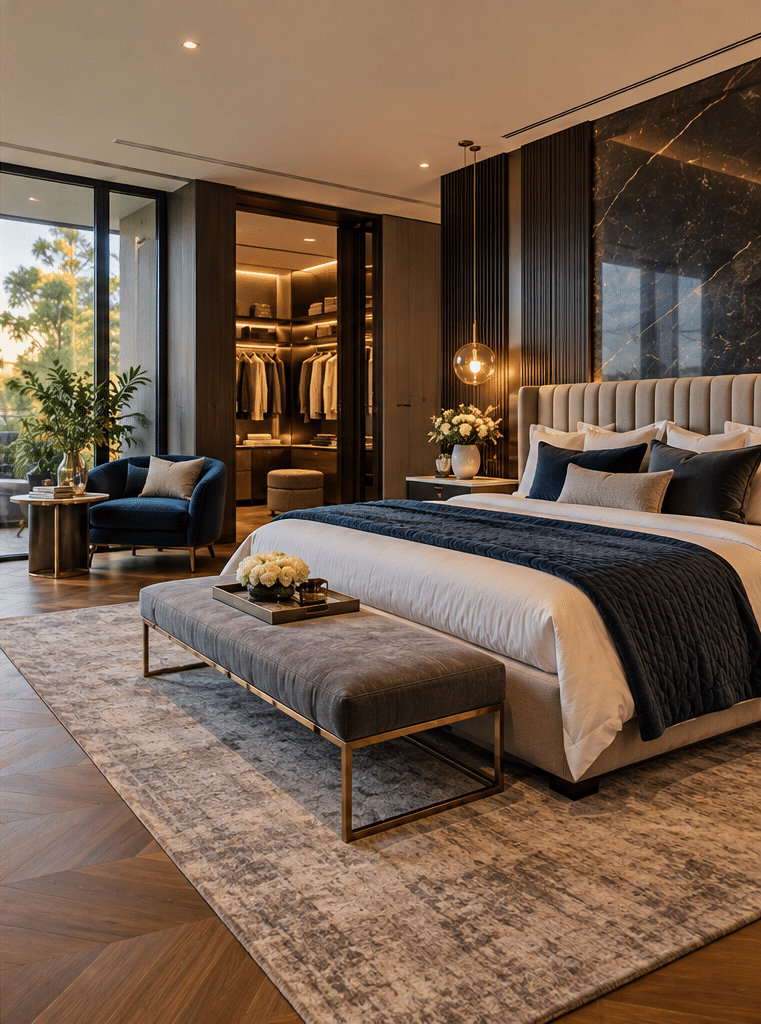
14. How Luxury Automotive Design Inspires Residential Interiors
Although automotive and residential interiors serve different purposes, they share important design principles.
Both benefit from comfortable materials, thoughtful lighting, balanced colours and efficient use of space.
A luxury vehicle cabin offers a useful example of how a relatively small environment can feel refined.
The importance of material coordination
Premium vehicles often combine several materials within a limited area.
Leather, fabric, timber and metal may appear together without competing for attention.
Similarly, a well-designed Australian living room can use complementary textures to create warmth and visual depth.
The principle is not to use more expensive products.
Instead, it is to choose materials that work well together.
Lighting and atmosphere
Vehicle cabins use lighting to improve visibility and create atmosphere.
Residential spaces benefit from the same thoughtful approach.
For example, soft ambient lighting can make a lounge feel comfortable, while focused task lighting supports reading and other activities.
However, the lighting must suit the purpose of the space.
A dramatic lighting scheme is not necessarily a practical one.
Comfort and ergonomic design
Automotive designers must work within strict physical limitations.
Seat position, reach and accessibility all influence the driver experience.
Residential interior designers also consider how people move through rooms, use furniture and interact with their surroundings.
Consequently, comfort should guide design decisions in both settings.
A shared philosophy of refined design
Luxury is often most effective when it feels effortless.
In a vehicle, this may mean supportive seating and uncluttered controls.
At home, it may mean comfortable furniture, efficient storage and a calm colour palette.
Both environments benefit from careful planning rather than excessive decoration.
Although the materials and technical requirements differ, the underlying lesson is similar: good design supports the way people live.
15. People Also Ask About Luxe Automotive Interiors
What makes a car interior luxurious?
A luxurious car interior combines quality materials, supportive seating, careful workmanship and a consistent design. Modern technology can improve convenience, but comfort and practical usability remain just as important as appearance.
Can a standard car be upgraded to look more luxurious?
Yes. Selected upholstery repairs, improved trim finishes and a coordinated colour scheme can refine an ordinary cabin. However, upgrades should remain compatible with the vehicle’s existing structure, controls and safety systems.
Is leather better than fabric for Australian cars?
Neither material is automatically better. Leather offers a distinctive premium appearance, while suitable automotive fabrics can provide comfort and practical benefits; the best option depends on climate, use, cleaning needs and personal preference.
How much does a luxury car interior upgrade cost in Australia?
Costs depend on the vehicle, materials and work involved. A limited cosmetic restoration is generally a smaller project than a full cabin retrim, so an itemised local quotation is more useful than an unsupported national average.
16. Expert Q&A: Luxe Automotive Interiors
1. How can I confirm that custom upholstery is compatible with seat-mounted airbags?
Start by identifying whether the vehicle has airbags integrated into its seats. Consult the vehicle manufacturer’s information and ask the installer to explain the exact products and procedures proposed. If compatibility cannot be demonstrated, do not proceed until an appropriately qualified specialist has assessed the work.
2. What should I inspect before approving custom upholstery samples?
Check colour, texture, thickness and the way each sample feels against the skin. Where possible, view samples in the actual cabin under natural and artificial light. Also, ask for technical information about abrasion resistance, colour stability and cleaning instructions.
3. How can owners reduce dye transfer onto light-coloured seats?
Clean appropriate surfaces regularly and avoid allowing transferred colour to remain for long periods. Dark clothing, particularly some new denim, may transfer dye through friction and moisture. However, cleaning should always follow the upholstery manufacturer’s guidance because aggressive products can damage the surface.
4. Do luxury interior modifications improve a vehicle’s resale value?
Not necessarily. Well-maintained, professionally completed work may appeal to some buyers, especially when it restores worn original finishes. However, unusual colours, poor workmanship or changes to factory equipment can reduce appeal, so owners should not assume the cost of a custom interior will be recovered at resale.
5. What documents should I receive after a professional interior upgrade?
Request an itemised invoice, a description of completed work, material details and cleaning instructions. Where relevant, obtain warranty information, details of any safety-critical work and required approval or certification records. Keeping this information can assist with maintenance, future repairs and discussions with insurers or prospective buyers.
17. Conclusion: Creating a Luxury Interior That Lasts
Luxe automotive interiors are about more than premium leather, modern technology or decorative finishes. They bring together comfort, craftsmanship, durability and a considered design approach.
For Australian vehicle owners, successful upgrades begin with a clear understanding of how the car will be used. Material quality, climate suitability, professional workmanship and technical compatibility should all influence the final decisions.
Rather than focusing only on visual trends, choose finishes that complement the vehicle and support everyday comfort. Equally importantly, confirm that any modifications preserve the correct operation of safety systems and comply with applicable requirements.
A well-planned automotive interior should feel refined without sacrificing practicality.
The same principles can inspire beautiful spaces beyond the vehicle. If you appreciate carefully coordinated materials, timeless colours and comfortable luxury, explore VM Lux Avenue’s Melbourne interior design and property styling services to bring that considered approach to your home.
Great luxury design is not simply about what a space contains. It is about how every detail works together to improve the experience of using it.