Introduction
Creating a beautiful home should make everyday living easier, not more complicated. That is the idea behind carefree interiors, a design approach that combines relaxed elegance, practical layouts, comfortable furnishings and easy-to-maintain materials. For Australian homeowners, it offers a way to enjoy sophisticated spaces without spending unnecessary time cleaning, organising or worrying about delicate finishes.
Whether you live in a contemporary Melbourne apartment, a coastal Queensland home or a spacious Sydney residence, the right interior choices can help you create a welcoming environment that suits your lifestyle.
However, achieving effortless style requires thoughtful planning. Furniture needs to support daily activities, materials must suit the climate, and every space should balance visual appeal with practical use.
Professional interior design also involves understanding how people move through rooms, where natural light enters and which surfaces experience the most wear. These details often make the difference between a home that merely looks beautiful and one that feels comfortable every day.
This guide explores how to create carefree interiors in Australia, from choosing durable furniture and finishes to planning storage, lighting and comfortable living spaces.
What Are Carefree Interiors?
Carefree interiors are homes styled for comfort, ease and lasting appeal rather than constant upkeep. They use practical layouts, durable finishes, useful storage and furniture that supports daily routines. In Australia, this approach also considers sunlight, heat, humidity and climate, so a beautiful room remains pleasant to live in.

Table of Contents
- Understanding carefree interiors in Australian homes
- Why carefree interior design is gaining appeal
- Essential principles of carefree interiors
- Choosing a practical layout
- Designing for Australian weather and climate
- Best materials for low-maintenance interiors
- Furniture and fabrics for carefree living
- Colour palettes and relaxed luxury
- Smart storage and clutter-free spaces
- Room-by-room carefree interior design ideas
- Comparing carefree interiors with traditional luxury
- Budgeting for an effortless interior
- Step-by-step interior design checklist
- Common design mistakes to avoid
- Maintaining carefree interiors over time
- Working with an interior designer in Australia
- People Also Ask
- Frequently Asked Questions
- Conclusion
1. Understanding Carefree Interiors in Australian Homes
The term carefree interiors describes spaces that feel effortless, comfortable and easy to maintain. It is a practical design concept rather than a formally defined architectural movement.
At its heart, the approach encourages homeowners to think beyond appearance. Instead of choosing furnishings only because they look attractive in photographs, it considers how those pieces will perform during everyday activities.
For example, a pale upholstered lounge may create a refined appearance. However, if the fabric stains easily and requires professional cleaning after minor spills, it may not suit a busy family.
A similar lounge with removable covers or a suitable performance fabric could deliver the same visual appeal with less maintenance.
Likewise, a kitchen with beautiful open shelves might suit someone who enjoys displaying ceramics. Yet a household that wants quick cleaning may prefer closed cabinets that protect everyday items from grease and dust.
How carefree interiors differ from minimalism
Minimalism generally focuses on reducing possessions and visual complexity. By comparison, carefree design focuses on reducing the effort involved in using and maintaining a home.
A carefree space can still contain:
- Artwork and decorative objects
- Soft furnishings and layered textures
- Statement lighting
- Comfortable, generous furniture
- Books, plants and personal collections
The difference lies in how those elements are selected and arranged.
Rather than removing everything decorative, the goal is to create a balanced space where each item contributes to comfort, beauty or daily function.
Carefree design is not the same as inexpensive design
A common misconception is that easy-care interiors must rely on basic furniture or low-cost finishes.
In reality, carefully chosen premium materials can offer excellent durability. The important question is whether their performance, upkeep and replacement costs suit the household.
For instance, natural stone can create a luxurious appearance, but certain types require sealing and specialised cleaning. Quality porcelain tiles may be more convenient for someone who prefers minimal routine maintenance.
Therefore, the best option depends on the intended use, not simply the purchase price.
For this guide, the term refers to this broader design philosophy, not to any particular business using the words as its name.
2. Why Carefree Interior Design Appeals to Australian Homeowners
Australian homes support many different lifestyles. Some households prioritise entertaining, while others need flexible areas for children, pets or working from home.
As a result, interior design needs to accommodate more than one activity.
Comfortable homes for busy routines
A practical interior helps everyday tasks run smoothly.
For example, a well-planned entrance with shoe storage and a place for keys reduces clutter before it spreads into living areas.
Similarly, a kitchen with accessible drawers and clearly organised storage can make food preparation easier.
These changes may seem simple. However, they can have a noticeable impact on daily convenience.
Better use of available space
Not every Australian property has large rooms.
Apartments in inner Melbourne, compact Sydney terraces and modern townhouses may need furniture that performs several functions.
A storage ottoman can provide seating and conceal blankets. A dining table may also serve as a workspace. Meanwhile, built-in cabinetry can use awkward wall areas more effectively.
Consequently, the home feels more organised without necessarily requiring additional floor space.
A balance between beauty and practicality
An attractive interior should not make homeowners hesitant to use their own furniture.
For example, a living room designed around fragile accessories may look impressive but feel restrictive.
A relaxed luxury approach creates visual interest through proportion, texture and thoughtful material combinations while allowing people to enjoy the space naturally.
Design that can change with your lifestyle
Household needs rarely remain the same forever.
Children grow older, working arrangements change and furniture preferences evolve.
Therefore, flexible layouts and timeless foundation pieces can make future updates easier.
Rather than replacing an entire interior when tastes change, homeowners can refresh cushions, lighting, artwork or smaller accessories.
3. Essential Principles of Carefree Interiors
A successful carefree interior usually begins with a few fundamental design principles.
These principles apply to different decorating styles, from contemporary Australian coastal interiors to elegant European-inspired homes.
Principle 1: Prioritise everyday comfort
Comfort should influence decisions about furniture, lighting and room arrangements.
For example, a sofa should provide suitable support and enough seating for the household. Likewise, dining chairs should feel comfortable during meals rather than simply matching the table.
Before buying furniture, consider how frequently it will be used and by whom.
A formal chair might be suitable for an occasional sitting area. However, it may not be ideal for a family room used every evening.
Principle 2: Choose materials that match the space
Not all materials perform equally in every environment.
Kitchen surfaces need to tolerate regular cleaning and the normal demands of food preparation. Bathroom finishes must be suitable for moisture exposure. Meanwhile, living room flooring needs to accommodate foot traffic.
Choosing materials based on their intended use helps prevent unnecessary maintenance.
Furthermore, asking suppliers about cleaning instructions, warranties and suitability can reveal practical limitations before purchase.
Principle 3: Reduce unnecessary visual clutter
Visual clutter occurs when too many objects compete for attention.
To avoid this, establish a few clear focal points.
For example, a large artwork above a sofa may create more impact than several unrelated decorative items.
Similarly, a carefully chosen pendant light can introduce character without requiring numerous accessories.
The result is a room that feels considered rather than overcrowded.
Principle 4: Create practical storage
Useful storage is fundamental to carefree living.
However, the best storage systems depend on what each household owns.
A family with young children may need low drawers for toys. A couple who frequently entertain may prioritise dining storage. Someone working remotely may require concealed shelves for office equipment.
Therefore, storage planning should begin with an inventory of daily possessions.
Principle 5: Maintain a consistent design language
A consistent design language means using related colours, shapes, finishes and textures throughout the home.
For instance, warm timber furniture can complement neutral upholstery, brushed metal hardware and natural textiles.
Repeating selected finishes between rooms creates continuity.
However, every room does not need to look identical. Subtle variations can keep the home interesting while maintaining an overall sense of harmony.
4. How to Plan a Carefree Interior Layout
A well-designed floor plan can improve a room before any new furniture is purchased.
The first step is understanding how the space currently functions.
Measure before choosing furniture
Begin by recording the dimensions of the room, including door openings, windows and fixed features.
Next, identify how people normally move between entrances, seating and storage.
For example, a large sectional sofa might offer generous seating but obstruct access to a balcony.
A slightly smaller sofa paired with an occasional chair may create better circulation.
As a planning starting point, approximately 900 mm of clear space can be useful for a frequently used walking route. However, this is a design guide, not a universal accessibility or building standard. Required clearances depend on the specific home and occupants.
Design around daily activities
Instead of arranging furniture only around the television, consider the full range of activities within the room.
A living area might support reading, conversation, television viewing and occasional work.
Therefore, flexible lighting and furniture placement become important.
A side table beside a reading chair allows someone to put down a book or drink. Meanwhile, a separate lighting circuit can help create different moods.
Use flexible furniture arrangements
Flexible furniture offers useful advantages in changing households.
Consider lightweight occasional chairs, nesting side tables and modular seating.
These pieces can be rearranged when guests visit or when room requirements change.
However, flexibility should not come at the expense of stability and comfort. Furniture should be appropriately sized and safe for its intended users.
5. Climate-Smart Carefree Interiors in Australia
Australian homes experience different environmental conditions depending on their location.
Consequently, a design that works well in Melbourne may require adjustments for Brisbane, Darwin or Perth.
Climate-responsive design is especially important when creating comfortable, easy-care living spaces.
Understanding Australian climate zones
Australia has eight main climate zones under the National Construction Code framework, ranging from hot and humid conditions to cool and alpine environments.
According to the Australian Government’s YourHome guidance on passive design, the relationship between orientation, insulation, glazing, thermal mass and ventilation influences household comfort and energy requirements.
YourHome
Passive design means using the building and its surroundings to manage temperature naturally where possible.
For homeowners, this can influence everything from curtain selection to furniture placement.
Carefree interiors in Melbourne
Melbourne experiences changing temperatures throughout the year.
Therefore, a comfortable interior may benefit from layered window furnishings, suitable insulation and flexible heating and cooling arrangements.
For example, a living room with generous glazing might use sheer curtains for daytime privacy and separate lined curtains or blinds for additional comfort.
Soft furnishings can add warmth during cooler months, while washable covers offer practical benefits.
Likewise, selecting adaptable furniture makes seasonal rearrangement easier.
Designing for Sydney and coastal NSW
Many Sydney homes combine indoor living spaces with balconies, terraces or gardens.
This creates opportunities for visual continuity between interior and exterior areas.
However, sunlight, moisture and coastal exposure should influence material selection.
For example, furniture placed near strongly sunlit windows may experience fading over time.
UV-resistant window treatments and appropriate fabric choices can help manage this exposure.
In coastal locations, homeowners should also check whether metal fittings and other finishes are suitable for conditions involving salt-laden air.
Carefree interiors in Queensland
Warm weather and humidity can influence interior comfort.
Breathable layouts, suitable ventilation and effective shading are useful design considerations.
For instance, lightweight window treatments can help create an airy appearance. However, their ability to control heat and sunlight varies with fabric construction.
Therefore, appearance should not be the only selection factor.
Moisture-resistant finishes may also be appropriate for spaces exposed to humidity, particularly when supported by adequate ventilation.
Why natural light needs careful planning
Natural light can make an interior feel open and inviting.
However, too much direct sunlight can create glare and unwanted heat.
YourHome explains that Australian building orientation should account for regional climate. In many temperate areas, north-facing living spaces can benefit from winter sunlight when suitable summer shading is provided. Hot, humid regions require different priorities, including shade and airflow.
YourHome
As a result, carefree interiors should aim for balanced daylight rather than simply maximising the amount of glass.
For an existing home, practical improvements might include adjustable blinds, window films suitable for the glazing, curtains or changes to furniture placement.
Major glazing alterations should be assessed by a qualified professional.
6. Best Materials for Low-Maintenance Carefree Interiors
Material selection is one of the most important decisions in any interior project.
An attractive finish may look impressive in a showroom but perform differently after years of daily use.
Therefore, the right material should balance appearance, durability, cleaning requirements and cost.
Comparing common interior materials
| Material | Main advantages | Potential limitations | Suitable applications |
| Porcelain tiles | Durable, generally easy to clean and available in many finishes | Grout requires maintenance; hard underfoot | Bathrooms, kitchens and entrances |
| Sealed timber | Natural warmth and lasting visual appeal | Can scratch and may need refinishing | Living rooms, dining rooms and bedrooms |
| Quality laminate | Broad range of finishes and generally simple routine cleaning | Damage from excess moisture or impact may be difficult to repair | Cabinetry and selected flooring |
| Natural stone | Unique patterns and premium appearance | Some varieties stain or etch and need sealing | Feature surfaces and selected benchtops |
| Washable interior paint | Convenient for routine cleaning when correctly specified | Durability varies by product and sheen | Living areas, hallways and bedrooms |
| Performance upholstery | Some products offer improved stain or abrasion resistance | Performance varies; not all fabrics are machine washable | Family lounges and dining chairs |
| Wool-blend rugs | Comfortable texture and a range of styles | Care requirements vary with fibre and construction | Living rooms and bedrooms |
| Powder-coated metal | Contemporary appearance and generally straightforward cleaning | Coatings can chip; corrosion resistance varies | Furniture frames and interior fittings |
These comparisons are general design guidance. Product performance depends on construction, installation, exposure and manufacturer instructions.
Why porcelain tiles can be practical
Porcelain is commonly selected for interior flooring because suitable products can handle regular household use.
It is available in finishes that resemble stone, timber and concrete.
However, tile selection should consider slip resistance, surface texture and ease of cleaning.
For example, a heavily textured tile may offer a different grip profile but can trap dirt more readily than a smoother surface.
Therefore, the best finish depends on where it will be installed.
Understanding timber flooring maintenance
Timber brings warmth and natural character to a room.
Yet timber flooring can be affected by moisture, scratching and changes in environmental conditions.
A protective finish can make routine cleaning easier, but it does not make timber waterproof or scratch-proof.
For households with pets, furniture pads and suitable entrance mats may help reduce unnecessary wear.
Furthermore, cleaning products should be compatible with the floor’s specific coating.
Is natural stone suitable for carefree living?
Natural stone can work beautifully in a relaxed luxury interior.
However, different stones have different maintenance requirements.
Marble, for example, can be affected by acidic substances, even when sealed. Other stone types may have different levels of porosity and resistance.
Homeowners should request clear product information before making a decision.
If minimal maintenance is the main priority, a suitable porcelain alternative may be worth comparing.
7. Furniture and Fabrics for Carefree Living
Furniture plays a major role in the success of carefree interiors.
It establishes the room’s visual character while supporting everyday comfort.
However, appearance alone should never determine a purchase.
Choose upholstery with daily use in mind
Sofa upholstery should suit how the household actually lives.
A formal sitting room may accommodate delicate fabrics. In contrast, a busy family room may benefit from more robust materials.
When comparing upholstery, ask about:
- Abrasion resistance and suitability for domestic use
- Recommended stain-cleaning methods
- Removable or fixed covers
- Colourfastness and sunlight exposure
- Fabric composition and expected maintenance
A fabric marketed as stain-resistant is not necessarily stain-proof.
Furthermore, removable covers are useful only when the manufacturer confirms how they should be cleaned.
Select furniture with practical proportions
Oversized furniture can make rooms difficult to navigate.
For example, an extremely deep sofa may appear luxurious but consume valuable floor space in a compact apartment.
A better approach is to select furniture that matches room dimensions and household needs.
Before ordering a large piece, confirm door widths, lifts, stairwells and delivery access.
This is particularly relevant to Australian apartments and multistorey townhouses.
Think carefully about rugs
Rugs can help define living areas and introduce warmth.
However, their size, pile height and construction affect daily care.
Low-pile rugs may be easier to vacuum than some deep-pile options. Meanwhile, washable rugs can be convenient, provided they suit the available washing equipment.
Non-slip backing or an appropriate underlay may also be necessary to reduce movement.
Consider indoor air quality
Comfort involves more than how a room looks and feels.
Dust, allergens and indoor pollutants can affect the living environment.
For households managing dust mite allergies, healthdirect’s guidance on dust mites includes advice on reducing dust exposure, laundering bedding and cleaning hard surfaces.
healthdirect
Therefore, homeowners may want to consider how easily furnishings can be cleaned.
However, no interior material should be described as completely allergy-proof.
8. Colours That Make Carefree Interiors Feel Luxurious
Colour influences the atmosphere of a home.
A well-chosen palette can help rooms feel connected, even when the furniture and accessories vary.
Start with a practical foundation
Neutral colours are popular in relaxed interiors because they work with many different materials.
Common options include warm white, oatmeal, taupe, muted grey and soft beige.
However, these colours are not compulsory.
A carefree interior can also include deep green, terracotta, navy or other expressive shades.
The important factor is maintaining balance.
Use a restrained palette
One practical approach is to select a main colour, a supporting colour and an accent.
For example, a Melbourne living room might combine warm white walls, light oak furniture and muted olive accessories.
The palette feels cohesive without appearing overly coordinated.
Moreover, repeating the accent colour through cushions, artwork or decorative objects can create continuity.
Introduce texture for visual depth
A room can feel flat when every surface has the same texture.
To avoid this, combine materials with different visual qualities.
For example, smooth cabinetry can contrast with woven textiles, timber furniture and a softly textured rug.
European-inspired interiors may also use decorative mouldings, curved furniture and refined metal accents.
These features can create an elegant appearance without requiring excessive ornamentation.
Choose finishes that age gracefully
Carefree interiors benefit from materials that remain appealing as tastes change.
Therefore, consider whether a major finish is likely to suit several decorating schemes.
A neutral sofa might accommodate different cushions and throws over time.
Similarly, timber furniture can complement a variety of wall colours.
This approach reduces the need for frequent large purchases.
9. Smart Storage for Carefree Interiors
A beautiful home becomes harder to maintain when everyday possessions have no designated place.
Smart storage helps keep frequently used items accessible while reducing unnecessary clutter.
Combine open and closed storage
Open shelves work well for selected decorative objects.
However, they can require regular dusting and careful arrangement.
Closed cabinets are often more useful for storing less attractive household essentials.
For example, a living room might include one display shelf for artwork and a cabinet for cables, remote controls and board games.
This balance allows personal styling without overwhelming the space.
Create storage around household routines
Storage works best when positioned near the activity it supports.
For example:
- Shoes and bags belong near the main entrance.
- Cooking utensils should be accessible from preparation areas.
- Towels need suitable bathroom or linen storage.
- Cleaning equipment should have a convenient, safe location.
- Office supplies should sit near the workspace.
Therefore, storage planning should begin with an assessment of how the home is used.
Make use of vertical space
In smaller Australian homes, wall height provides valuable storage opportunities.
Tall cabinets can increase capacity without taking up much additional floor area.
However, frequently used items should remain within comfortable reach.
Heavy objects should be stored safely, and tall furniture may need suitable anchoring to reduce tipping risks.
For custom cabinetry, professional measurements and installation are advisable.
10. Carefree Interior Design Ideas for Every Room
Different rooms need different solutions.
A practical approach considers each room’s purpose before selecting finishes and furniture.
Living room: Comfortable everyday luxury
The living room often serves as the centre of family activity.
Start with a well-proportioned sofa, suitable lighting and a practical coffee table.
Next, use a rug to visually connect the seating area.
Closed storage can conceal everyday clutter, while a few decorative objects introduce personality.
For example, a contemporary Melbourne townhouse could combine a neutral sofa, timber coffee table, soft rug and warm accent lighting.
The result would feel elegant without requiring elaborate decoration.
Kitchen: Beauty with easy cleaning
Kitchens require durable, practical surfaces.
Therefore, consider cabinetry that is easy to wipe down, accessible storage and benchtops suitable for food preparation.
A simple splashback with fewer grout joints may also reduce cleaning effort, depending on the material.
Drawers can make pots and utensils easier to access than deep cupboards.
Meanwhile, carefully positioned task lighting improves visibility during cooking.
However, all materials should be specified for their intended use, especially near heat and moisture.
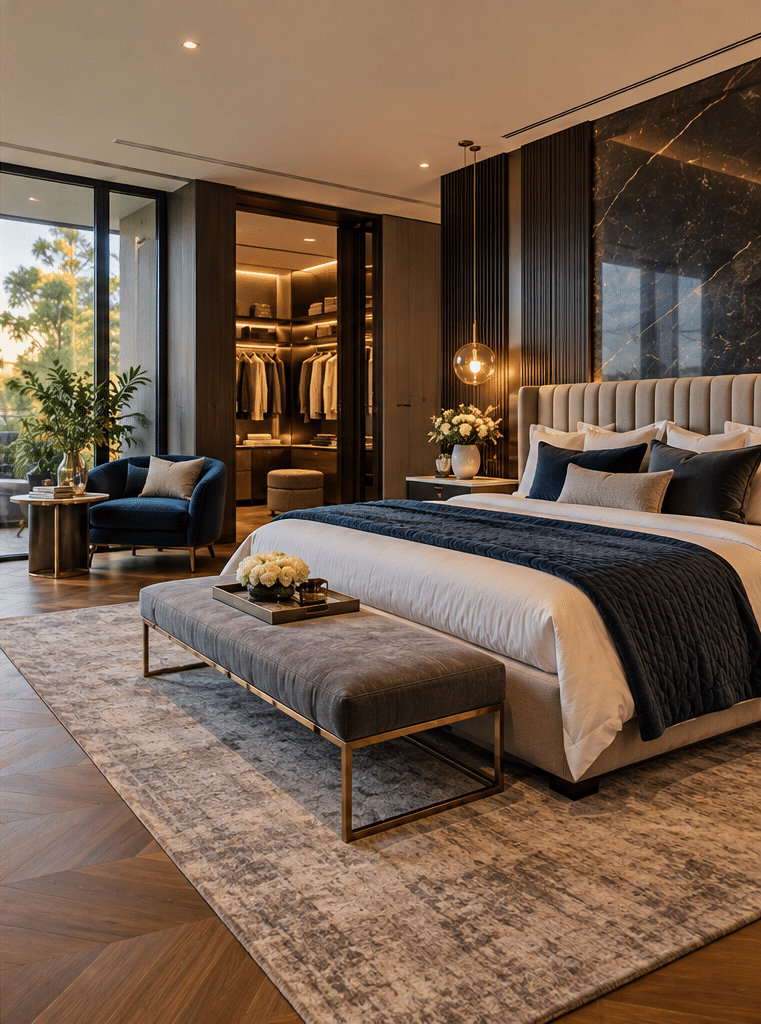
Bedroom: A calming personal retreat
Bedrooms benefit from comfortable textiles and a restrained design.
Choose a supportive bed, suitable window coverings and accessible bedside storage.
A soft palette can create a restful appearance, although personal colour preferences remain important.
To reduce maintenance, avoid unnecessary decorative objects on bedside tables and other frequently cleaned surfaces.
Instead, use a few meaningful accessories.
Layered bedding can provide flexibility across Australian seasons.
Bathroom: Simple and moisture-aware
Bathrooms require special consideration because of frequent water exposure.
Suitable waterproofing, ventilation and correctly installed finishes are essential.
Large-format tiles may reduce the number of grout joints, but installation quality and surface suitability remain important.
Wall-mounted storage can make floor cleaning easier.
Furthermore, choosing fittings with straightforward care instructions may simplify maintenance.
Any work involving waterproofing, plumbing or electrical alterations should be assessed and completed by appropriately qualified trades.
Home office: Practical and organised
A home office should support focused work without making the room feel overcrowded.
Begin with a suitable desk and adjustable chair.
Next, provide storage for documents, equipment and cables.
Natural light is useful, but screens should be positioned to minimise glare.
A compact desk may be appropriate for occasional laptop work. However, someone working from home full-time may need a more complete ergonomic arrangement.
Outdoor-connected living areas
Australian homes often connect interior rooms with patios, balconies or gardens.
Using related colours and textures indoors and outdoors can create a sense of continuity.
However, outdoor furniture and furnishings need to suit their exposure to sunlight, rain and moisture.
Indoor furniture should not automatically be used outside.
In coastal areas, product specifications should also be checked for salt exposure.
11. Carefree Interiors vs Traditional Luxury Interiors
Both approaches can produce attractive homes. However, they often place different emphasis on appearance and day-to-day use.
| Design factor | Carefree interiors | More formal luxury interiors |
| Main priority | Comfort, practicality and appearance | Presentation, craftsmanship and decorative detail |
| Furniture | Comfortable and suited to frequent use | May include more formal or delicate pieces |
| Materials | Selected for performance and easy care | May prioritise rare or decorative finishes |
| Storage | Integrated into everyday routines | May prioritise appearance and concealed solutions |
| Styling | Relaxed, personal and adaptable | Often more structured and coordinated |
| Maintenance | Planned to reduce unnecessary work | May involve specialist cleaning or care |
| Long-term changes | Flexible furniture and accessories | May rely on more permanent design elements |
These are broad design tendencies rather than strict categories. Many high-end interiors successfully combine both approaches.
Can carefree design still feel premium?
Absolutely.
Premium design does not depend on using delicate materials or expensive decorative accessories.
Instead, quality can be expressed through balanced proportions, thoughtful lighting and well-made furniture.
For instance, a living room with a comfortable sofa, beautifully finished timber cabinetry and carefully selected artwork may feel more refined than a room filled with decorative objects.
Therefore, carefree interiors and luxury design are compatible when practical requirements guide the selection process.
12. Budgeting for Carefree Interiors
Creating a beautiful interior does not necessarily require replacing every item.
Instead, homeowners can begin by identifying which changes would make the greatest practical difference.
Start with an interior audit
Walk through each room and record what works well.
Next, identify recurring problems.
Perhaps the entrance has insufficient storage. The living room may have poor lighting, or the dining chairs may be uncomfortable.
Addressing these problems first helps direct spending towards meaningful improvements.
Prioritise foundational purchases
Large pieces of furniture and permanent finishes usually have a greater effect on a room than smaller accessories.
Therefore, it can make sense to allocate more of the budget to durable foundation pieces.
For example, improving a sofa, storage system or lighting arrangement may offer more everyday value than buying several decorative objects.
However, existing furniture should be retained when it remains functional and suits the design.
Example of a planning budget
Consider a hypothetical furnishing and styling budget of $12,000.
The following is an illustrative allocation, not a quotation or an estimate of Australian market prices.
| Category | Example allocation |
| Main furniture | $4,800 |
| Window furnishings and lighting | $2,400 |
| Storage improvements | $2,400 |
| Rugs, artwork and accessories | $1,200 |
| Contingency | $1,200 |
| Total | $12,000 |
Actual project costs depend on property size, product selection, installation requirements, delivery and whether building work is involved.
This example excludes major renovations and structural work.
Understand product warranties
Before purchasing furniture or fixtures, review warranties, care instructions and return policies.
According to the Australian Competition and Consumer Commission’s guidance on warranties and consumer guarantees, consumer guarantees apply automatically to eligible purchases under Australian Consumer Law. Voluntary warranties provide additional promises and do not replace those rights.
ACCC
For project administration, keep invoices, product specifications and warranty details together.
If a consumer rights issue arises, seek appropriate guidance for the specific circumstances.
13. Step-by-Step Carefree Interiors Checklist
A structured approach makes interior planning easier and helps reduce avoidable purchases.
Use this numbered checklist before beginning a new design project.
- Define your lifestyle requirements. Identify the people using the home, their daily routines and any special needs involving children, pets or home working.
- Set a realistic budget. Include furniture, finishes, delivery, installation and a contingency for unexpected expenses.
- Measure every room. Record walls, windows, doors, existing furniture and access points before ordering new pieces.
- Assess natural light and ventilation. Check which spaces receive strong sunlight, experience glare or feel uncomfortable during different seasons.
- Choose a consistent colour palette. Establish foundation colours and complementary finishes that work across connected spaces.
- Compare materials carefully. Ask suppliers about durability, cleaning requirements, maintenance and suitability for the intended environment.
- Select practical furniture. Prioritise comfort, appropriate dimensions and construction quality over appearance alone.
- Plan useful storage. Identify where everyday items will be kept and ensure frequently used objects remain accessible.
- Review installation and delivery requirements. Confirm measurements, lead times, access arrangements and any relevant approvals before work begins.
- Complete a final usability review. Walk through each space and check circulation, lighting, storage access and maintenance requirements.
Once these steps are complete, the design can be refined through artwork, textiles and decorative details.
Importantly, the checklist helps homeowners focus on long-term usability rather than making every decision based on short-lived trends.
14. Common Mistakes That Make Carefree Interiors Harder to Maintain
Even attractive interiors can become inconvenient when important practical details are overlooked.
Choosing appearance over durability
A delicate finish may look beautiful but be unsuitable for heavy daily use.
For example, a highly polished surface can show fingerprints and marks more readily than some textured alternatives.
Therefore, compare samples under realistic lighting and ask about maintenance before purchasing.
Buying oversized furniture
Large furniture can make rooms feel cramped.
It may also obstruct circulation, doors or access to storage.
Instead, measure furniture dimensions and test the proposed arrangement using a floor plan.
Installing too much open storage
Open shelving can create a relaxed, decorative appearance.
However, excessive shelving may increase dusting and encourage clutter.
A combination of enclosed storage and selected display areas usually offers greater flexibility.
Ignoring lighting requirements
Poor lighting can make even a carefully styled interior uncomfortable.
A room may need ambient lighting for general use, task lighting for activities and accent lighting for visual interest.
Therefore, plan lighting according to room functions rather than relying on one central fixture.
Following trends without considering the home
Interior trends can provide inspiration.
However, a fashionable finish is not automatically suitable for every property.
For example, a dark colour scheme might create a dramatic atmosphere in one home but feel heavy in a poorly lit room.
Similarly, an open-plan arrangement may not suit someone who requires privacy while working.
The best approach is to adapt ideas to the property’s architecture and household needs.
15. How to Maintain Carefree Interiors Over Time
Low-maintenance design does not mean maintenance-free design.
Every interior requires some cleaning and periodic care.
However, a thoughtful maintenance routine can help reduce unnecessary work.
Create a simple cleaning schedule
Routine care should follow the manufacturer’s instructions for each material.
For example, timber flooring may require different cleaning methods from porcelain tiles.
Likewise, upholstery care varies between washable fabrics, professionally cleaned materials and leather.
Avoid assuming that one cleaning product is suitable for every surface.
Protect furniture from unnecessary damage
Small preventive measures can be useful.
Furniture pads may reduce scratching on suitable flooring.
Coasters and placemats can help protect sensitive furniture finishes.
Meanwhile, window coverings can limit direct sun exposure to selected furnishings.
These steps do not eliminate wear, but they can reduce avoidable damage.
Review clutter regularly
A room may become difficult to maintain because possessions accumulate over time.
Therefore, periodically review storage areas and remove items that are no longer needed.
Keep frequently used possessions easy to access.
However, there is no need to remove meaningful personal objects simply to achieve a minimalist appearance.
Maintain ventilation and moisture control
Moisture management is especially important in kitchens, bathrooms and humid environments.
Use appropriate exhaust ventilation and address leaks or condensation problems promptly.
Persistent mould or moisture issues may require assessment by a qualified professional.
Decorating over an unresolved moisture problem does not address its underlying cause.
Refresh accessories instead of replacing everything
Carefree interiors can evolve gradually.
For example, new cushion covers, artwork or window furnishings may change the character of a room without requiring major work.
Similarly, existing furniture can sometimes be repaired, reupholstered or refinished.
This approach may reduce unnecessary waste while helping the home maintain a fresh appearance.
16. Working With an Interior Designer in Australia
Professional interior design services can help homeowners make informed decisions about layouts, furniture, materials and visual consistency.
However, the level of assistance required depends on the project.
Some homeowners need advice on colours and furniture arrangement. Others require a complete interior design plan or coordination with building professionals.
What to expect from a design consultation
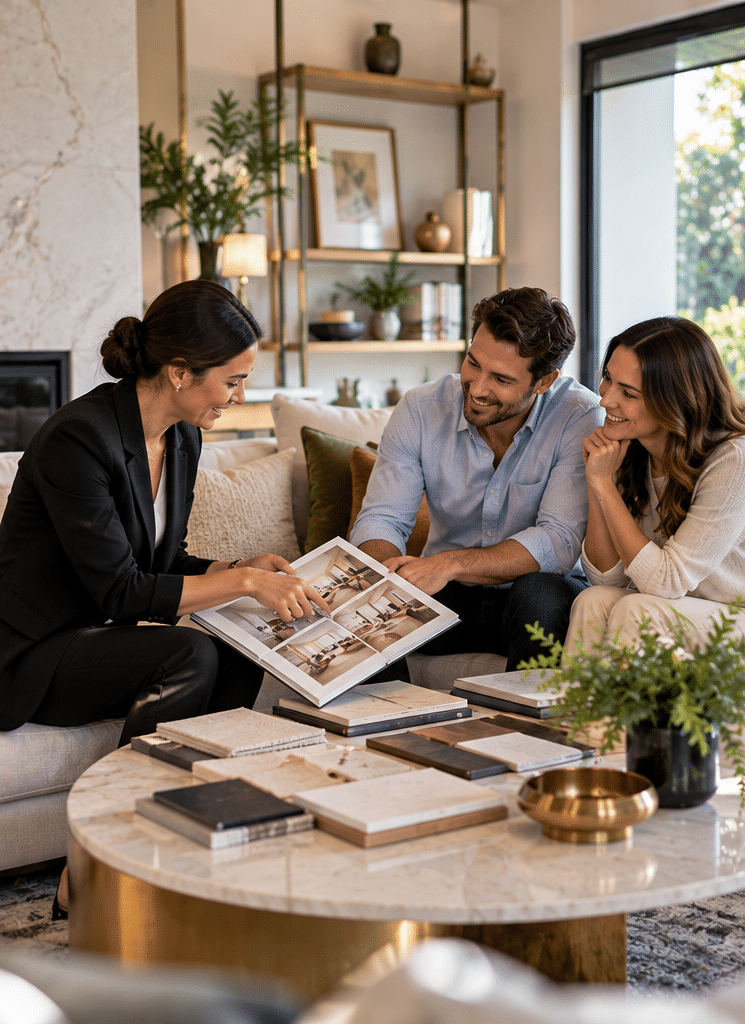
A useful consultation usually begins with discussing the property’s existing conditions and the household’s requirements.
The designer may ask about preferred styles, daily routines, available budget and the intended project timeline.
They may also review measurements, lighting conditions and furniture that the homeowner wishes to retain.
From there, the project can move towards a design concept and material selections.
Ask practical questions before starting
Before appointing a designer, clarify the scope of services.
For example, ask whether the proposal covers concept development, furniture sourcing, drawings, supplier coordination or installation supervision.
Also confirm what is excluded.
A clear scope helps reduce misunderstandings and provides a useful basis for comparing proposals.
Understand the difference between styling and interior design
Property styling and interior design are closely related but serve different purposes.
Property styling for sale often focuses on creating an appealing presentation for prospective buyers.
By contrast, residential interior design for ongoing occupation should address the specific homeowner’s long-term needs.
A staged room may prioritise photography, spatial presentation and broad buyer appeal.
However, a family home needs to account for everyday activities, personal storage and ongoing maintenance.
For this reason, a homeowner seeking carefree interiors should communicate that practical usability is a central objective.
Check administrative requirements for renovation work
Some projects involve more than furniture and decoration.
For example, moving walls, changing plumbing or altering electrical installations may require professional assessments, approvals or licensed trades.
In apartments, owners corporation or strata requirements may also affect proposed works.
These checks should be treated as project administration and referred to qualified building professionals or relevant authorities.
A designer can help coordinate project information, but specialist compliance decisions should be reviewed by appropriately qualified practitioners.
An example: Planning a relaxed Melbourne townhouse
Imagine a family in Kew, Melbourne, updating an older townhouse.
The existing living room contains a large sofa, several small tables and limited storage.
The family wants a sophisticated appearance but also needs space for children, guests and everyday activities.
A practical design strategy could involve retaining suitable furniture, improving storage and changing the seating arrangement.
New window furnishings might help manage glare and privacy. Meanwhile, a coordinated palette of warm neutrals, timber and soft textiles could introduce a refined atmosphere.
The result would aim to feel elegant without becoming overly formal.
This is an illustrative design scenario, not a claim about a completed client project.
It shows how thoughtful planning can balance visual appeal with everyday convenience.
17. People Also Ask: Common Questions About Carefree Interiors
What is the main purpose of carefree interiors?
The purpose of carefree interiors is to create attractive, comfortable spaces that are practical to use and maintain. The approach combines sensible furniture choices, durable materials, useful storage and a relaxed decorating style.
Are carefree interiors suitable for small Australian apartments?
Yes. Compact apartments can benefit from multifunctional furniture, well-planned storage and simple layouts that allow comfortable movement. The key is selecting appropriately sized pieces rather than overcrowding the available floor space.
Do carefree interiors have to use neutral colours?
No. Neutral palettes can create a calm foundation, but colourful interiors can be equally practical. The important consideration is choosing a consistent palette and finishes that suit the room’s lighting and daily use.
Is carefree interior design expensive?
Not necessarily. Costs depend on the size of the project, the materials selected and whether structural work is required. Homeowners can begin with affordable improvements such as rearranging furniture, organising storage and updating selected accessories.
18. Frequently Asked Questions About Carefree Interiors
1. Which interior finishes are best for homes near the Australian coast?
Coastal homes may experience higher humidity and exposure to salt-laden air. Choose finishes and fittings whose manufacturers confirm suitability for the intended conditions, and consider ventilation, corrosion resistance and cleaning requirements before purchasing.
For instance, some appropriately specified powder-coated aluminium fittings may suit coastal conditions better than untreated metals. However, performance depends on the coating system, exposure and maintenance.
2. How can renters create carefree interiors without permanent renovations?
Renters can focus on freestanding furniture, storage baskets, movable rugs, lighting and removable decorative accessories.
However, adhesive products and temporary fittings can still damage surfaces. Therefore, review the tenancy agreement and seek permission before making changes that could affect the property.
3. What should homeowners check when buying performance upholstery?
Request information about fabric composition, intended use, abrasion resistance, cleaning methods and any applicable performance testing.
Also confirm what the supplier means by terms such as stain-resistant or easy-clean. These descriptions do not necessarily mean that all spills can be removed or that the fabric can be machine washed.
4. How should a homeowner prepare a design brief for a low-maintenance interior?
A useful brief should describe household routines, preferred colours, furniture requirements, storage problems and the available budget.
It should also identify maintenance preferences, such as avoiding delicate fabrics or materials that require frequent sealing. Clear priorities make it easier for a designer to recommend suitable products and solutions.
5. How can a homeowner tell whether an interior design choice will remain practical over time?
Evaluate each major purchase against its expected use, cleaning requirements, repair options and compatibility with the existing home.
For example, a sofa with a durable frame and suitable replaceable or serviceable components may offer more flexibility than a piece chosen only for its current appearance. Ultimately, long-term value depends on construction quality, actual use and ongoing care.
19. Conclusion: Creating Beautiful and Carefree Interiors in Australia
A beautifully designed home should support everyday life rather than make it more complicated.
Carefree interiors bring together relaxed elegance, thoughtful layouts, comfortable furniture and suitable materials. When these elements work together, a home can feel welcoming, organised and visually refined.
For Australian homeowners, climate also plays an important role. From Melbourne’s seasonal changes to Queensland’s humidity and Sydney’s coastal environments, interior choices should respond to local conditions.
The most effective approach begins with understanding how the home is used. From there, homeowners can prioritise practical storage, durable finishes, balanced lighting and furniture that provides genuine comfort.
Importantly, effortless living does not mean sacrificing personality or luxury.
A home can feature elegant European influences, contemporary furniture, premium finishes and carefully chosen decorative details while remaining comfortable for daily use.
Whether you are refreshing a single room, furnishing a new property or planning a more extensive transformation, thoughtful interior design can help you make confident decisions.
Ready to create a home that combines timeless elegance with everyday comfort?
Explore VM Lux Avenue’s interior design and property styling services in Australia to discover a considered approach to creating beautiful, functional and welcoming living spaces.