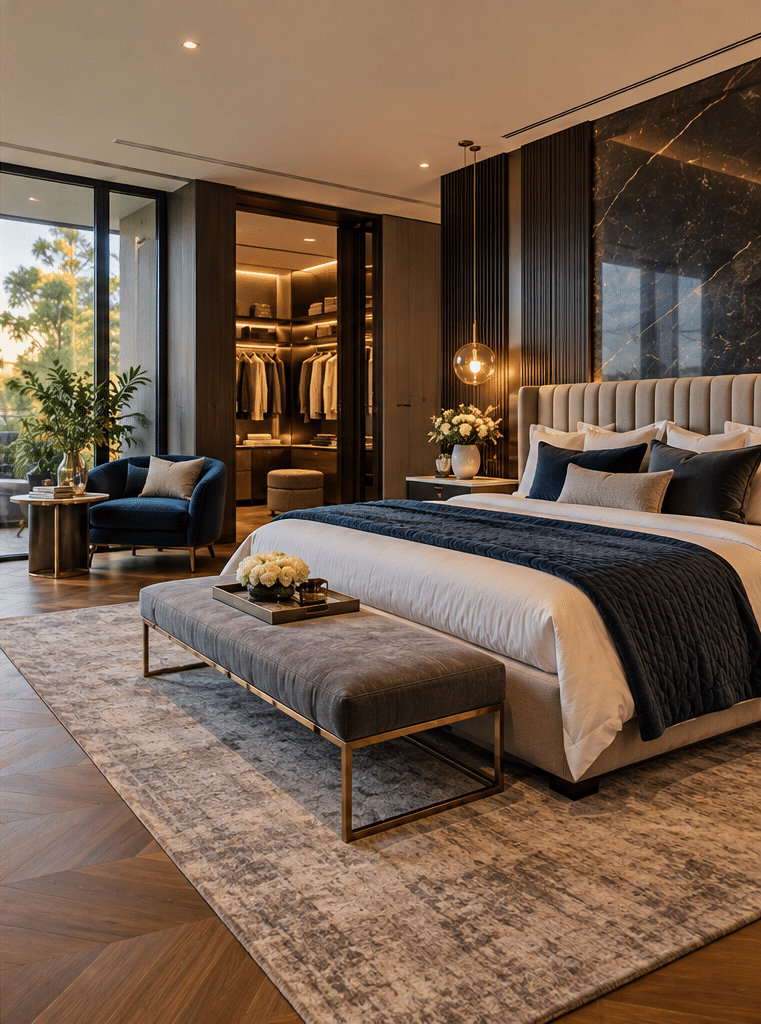
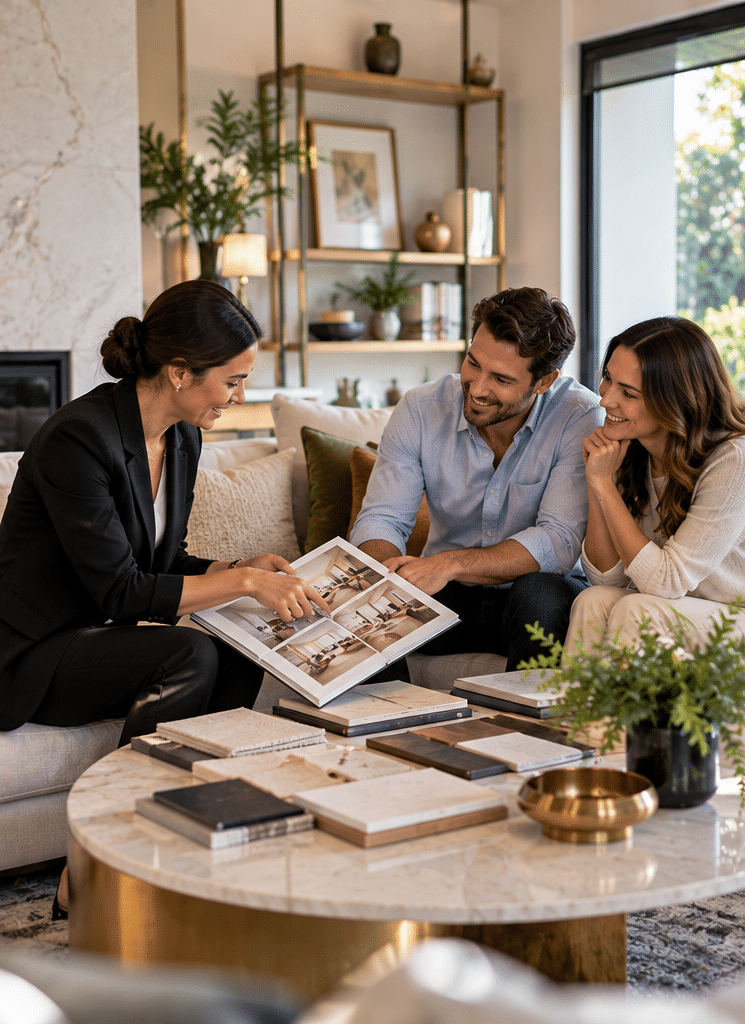
Your lounge is more than a place to sit. It is where you unwind after work, entertain friends, spend time with family and enjoy everyday life. Finding the right lounge interiors ideas can transform an ordinary living area into a comfortable, elegant and practical space that reflects your personality. Whether you live in a modern Melbourne apartment, a Sydney townhouse, a Brisbane family home or a coastal property in Perth, thoughtful interior design can make your lounge feel more inviting without requiring a complete renovation.
Australian lounge design brings together several important considerations: natural light, furniture proportions, climate, lifestyle and personal taste. A beautiful sofa may look impressive in a showroom but feel oversized in a compact room. Likewise, a neutral colour scheme can look sophisticated, but without contrasting textures and appropriate lighting, it may feel flat.
This guide explores 18 practical ideas for creating attractive lounge interiors in Australian homes. Drawing on established interior design and property styling principles, it explains how to choose suitable furniture, plan functional layouts, combine colours, improve lighting and create a cohesive look. It also covers common decorating mistakes, different Australian living environments and ways to achieve a refined appearance on a realistic budget.
What Are Lounge Interiors Ideas?
Lounge interiors ideas are practical ways to improve how a living room looks, feels and functions through furniture placement, lighting, colour, textures and storage. In Australian homes, good lounge design also considers sun exposure, climate, room size and everyday routines, so the space feels welcoming without sacrificing comfort or movement.
Table of Contents
- Why Lounge Interior Design Matters in Australian Homes
- How to Plan Your Lounge Interior Design
- 18 Brilliant Lounge Interiors Ideas
- Comparing Popular Lounge Interior Design Styles
- Lounge Interior Layouts for Different Australian Homes
- Choosing Colours, Materials and Textures
- Lighting and Climate Considerations for Australian Lounges
- Budget-Friendly Lounge Interior Improvements
- Lounge Styling for Everyday Living and Property Presentation
- Common Lounge Interior Design Mistakes
- A Practical Lounge Makeover Checklist
- People Also Ask: Lounge Interiors Ideas
- Expert Q&A About Lounge Interior Design
- Conclusion
1. Why Lounge Interior Design Matters in Australian Homes
A well-designed lounge should balance appearance, comfort and functionality. While visual appeal matters, the room also needs to support everyday activities.
For example, a household with young children may prioritise durable upholstery, washable cushion covers and generous floor space. By contrast, someone who regularly hosts guests may prefer flexible seating, convenient side tables and a layout that encourages conversation.
Creating a balance between beauty and practicality
Successful lounge interiors usually share several characteristics. Furniture fits the room, colours work together, lighting supports different activities and there is enough space to move comfortably.
In addition, the design should complement the home’s architecture.
A Victorian-era terrace in Melbourne may suit decorative mouldings, warm timber furniture and contemporary upholstered seating. Meanwhile, a modern apartment with large windows may benefit from simpler furniture, clean lines and carefully selected accessories.
Neither approach is automatically better. The right choice depends on the property and the people using it.
Understanding Australia’s different living environments
Australian homes experience different weather conditions and design challenges.
In Melbourne, where seasonal temperatures can vary considerably, layered window coverings and cosy furnishings may improve comfort.
In Brisbane and other warmer regions, breathable fabrics, shading and air movement deserve greater attention.
Meanwhile, coastal homes may benefit from practical materials that are easier to maintain in humid, sandy or salt-exposed environments.
Therefore, the most effective lounge interiors ideas respond to the local setting instead of copying an overseas design without adjustment.
2. How to Plan Your Lounge Interior Design
Before purchasing furniture or choosing paint colours, consider how you want the space to function.
A lounge designed around real activities is more likely to remain useful as your lifestyle changes.
Identify the main purpose of your lounge
Start by deciding how often you use the room and what you do there.
For instance, a lounge may serve as a television room during the week, a reading space in the afternoon and an entertaining area on weekends.
When one room supports several activities, flexible design becomes especially valuable.
A movable ottoman can provide additional seating, a surface for a tray or a comfortable footrest. Similarly, nesting tables can be separated when guests arrive and stored together afterwards.
Measure the available space
Accurate measurements help prevent expensive furniture mistakes.
Record the room’s length, width and ceiling height. Then measure doorways, windows, fixed cabinetry, power points and any architectural features.
Also consider the position of heating and cooling outlets.
For a first layout, the following distances are useful starting points rather than universal design standards:
- Allow approximately 800–900 mm for a comfortable main circulation route where the room permits.
- Consider around 400–450 mm between a sofa and coffee table, adjusting for personal reach and mobility.
- Leave enough clearance for doors, drawers and reclining furniture to operate fully.
- Check that chairs can be pulled out without blocking access to another area.
If someone uses a wheelchair or mobility aid, these general figures should not replace an accessibility assessment based on their individual needs.
Develop a clear design direction
Once you understand the space, choose three or four words that describe the result you want.
For example:
Warm, contemporary, relaxed and elegant.
These words create a simple design brief. They also make shopping decisions easier.
If a decorative item feels too formal, colourful or bulky for your chosen direction, it may not belong in the finished room.
As a result, you can create a more consistent lounge without buying matching furniture sets.
3. 18 Brilliant Lounge Interiors Ideas
The following lounge interiors ideas combine styling principles with practical changes that Australian homeowners and renters can adapt to different spaces and budgets.
Idea 1: Create a clear focal point in your lounge
Best for: Open-plan lounges and living rooms without a strong visual feature.
Every lounge benefits from a focal point. This is the feature that first draws attention when someone enters the room.
Common examples include a fireplace, large artwork, attractive window, feature wall or carefully designed entertainment unit.
However, a focal point does not need to be expensive.
You could position a statement artwork above an existing sofa and use subtle accessories to repeat its colours.
Alternatively, if your lounge overlooks a garden, arrange the furniture to preserve that view.
The key is visual hierarchy. This means giving one element greater importance while allowing surrounding features to support it.
Without a clear focal point, several competing decorations can make the room feel busy.
For a refined result, choose one main feature rather than turning every wall into a statement wall.
Idea 2: Arrange lounge furniture to encourage conversation
Best for: Family homes and households that regularly entertain.
Furniture placement strongly influences how people interact.
If every chair points towards the television, the lounge may feel like a media room rather than a welcoming social space.
Instead, consider arranging seating around a central coffee table.
For example, a three-seater sofa can face two occasional chairs, creating a comfortable conversation area.
In larger rooms, an L-shaped arrangement can also work well.
Furthermore, a lightweight accent chair provides flexibility because it can be moved when extra seating is required.
One practical styling tip is to test the furniture layout from the doorway. If people can easily enter, identify the seating area and walk through the room, the arrangement is likely working well.
Among the simplest lounge interiors ideas, improving furniture placement can create a noticeable difference without purchasing anything new.
Idea 3: Choose a sofa that fits the room’s proportions
Best for: Small apartments, narrow lounges and compact family homes.
A sofa is often the largest piece of furniture in a lounge. Therefore, its dimensions can determine how comfortable the room feels.
An oversized sectional sofa may provide generous seating but leave little space for movement.
On the other hand, an extremely small sofa can look disconnected in a spacious living area.
Consider the sofa’s depth, seat height, arm width and overall length.
A design with narrower arms can provide useful seating space without increasing its external width too much.
Raised legs may also make the floor beneath the sofa visible, creating a lighter visual impression.
For households with pets or children, upholstery durability and cleaning requirements are equally important.
Before purchasing, mark the sofa’s footprint on the floor using removable painter’s tape. Then walk around the outline and check the available clearance.
This simple exercise helps reveal whether the proposed furniture will actually suit the room.
Idea 4: Use a large rug to connect the seating area
Best for: Open-plan living spaces and lounges with timber or tiled floors.
A rug helps define a seating zone while introducing warmth, texture and colour.
However, choosing the wrong size can make the arrangement look fragmented.
A small rug positioned only beneath the coffee table may leave the sofa and armchairs visually disconnected.
Instead, try a rug large enough to sit beneath the front legs of the main seating furniture, where the room allows.
This creates a more unified arrangement.
For an Australian contemporary lounge, consider wool, cotton or suitable blended fibres. Each has different care requirements, so check suitability for the room’s level of use.
Wool can provide warmth and resilience, while some flatweave designs may be easier to move and maintain.
A rug should also suit the floor surface. Use an appropriate non-slip underlay where needed.
When exploring lounge interiors ideas, treat the rug as part of the furniture layout rather than a finishing accessory.
Idea 5: Layer different types of lounge lighting
Best for: Lounges used for reading, television viewing and evening relaxation.
Lighting can change how a room feels throughout the day.
A single bright ceiling light may provide general illumination, but it rarely supports every activity equally well.
A more flexible approach combines three lighting types.
Ambient lighting provides general brightness. It may come from ceiling fittings, pendants or suitable wall lights.
Task lighting supports activities such as reading. A floor lamp beside a comfortable armchair is a practical example.
Accent lighting highlights decorative elements, including artwork, shelving or architectural details.
The result is a layered scheme that can shift from functional to relaxing.
For many lounges, warm-white light around 2700–3200 kelvin creates a softer evening atmosphere. However, the preferred colour temperature depends on the room and the activity.
Where practical, separate switches or dimmers allow greater control.
You should also consider glare on television screens and whether lights reflect uncomfortably from glass surfaces.
Idea 6: Build a timeless neutral colour palette
Best for: Modern Australian homes and homeowners seeking lasting appeal.
Neutral colours provide a versatile foundation for lounge interior design.
Popular options include warm white, oatmeal, beige, taupe, soft grey and muted earthy tones.
However, a neutral palette should not mean that every surface has the same colour.
Instead, combine subtle differences in tone.
For example, an off-white wall can work with a taupe sofa, a light oak coffee table and charcoal accents.
The variations add depth while keeping the overall look calm.
A practical starting point is the 60-30-10 colour guideline:
- Around 60% of the visual scheme uses a dominant colour.
- Around 30% uses a secondary colour.
- Around 10% introduces an accent.
This is a styling guideline, not a strict formula. Different rooms may benefit from different proportions.
Additionally, test paint samples on more than one wall. A colour can look different in morning sunlight, afternoon shade and evening artificial light.
Idea 7: Bring natural materials into the lounge
Best for: Coastal, contemporary, Scandinavian and earthy interior styles.
Natural materials can make an interior feel warmer and more connected to its surroundings.
Timber, stone, linen, wool and woven fibres are commonly used to introduce texture and visual variety.
For example, a timber coffee table can soften a room with polished concrete floors.
Similarly, linen-look curtains can create a relaxed atmosphere beside contemporary furniture.
However, materials should be selected for their practical properties as well as their appearance.
Natural stone may need specific cleaning products. Solid timber can respond to moisture changes. Meanwhile, some delicate fabrics may be less suitable for heavy everyday use.
If your lounge receives intense direct sunlight, check whether furnishings and finishes are prone to fading.
For a balanced design, choose two or three materials and repeat them throughout the room.
This creates continuity without making every item look identical.
Idea 8: Add personality with carefully chosen accent colours
Best for: Neutral lounges that feel plain or lack personality.
Among the most adaptable lounge interiors ideas is introducing colour through smaller decorative pieces.
Instead of repainting the entire room, you can experiment with cushions, throws, artwork, ceramics and accessories.
Muted terracotta, olive green, dusty blue and deep burgundy can work with many neutral schemes.
For a coastal-inspired lounge, soft blue or sage green may complement pale timber and light upholstery.
Alternatively, a modern luxury interior may suit rich chocolate tones, bronze accents or deep charcoal.
The best approach is to repeat an accent colour in a few carefully selected locations.
For example, a blue artwork can relate to two cushions and a decorative object.
This creates a deliberate design connection.
Nevertheless, avoid adding a new colour simply because it is popular. Choose shades that work with the existing flooring, walls and furniture.
Idea 9: Select coffee tables and side tables with purpose
Best for: Everyday family lounges and entertainment areas.
Coffee tables serve practical and decorative purposes.
They provide space for drinks, books, remote controls and small accessories while visually connecting the seating arrangement.
However, size and shape matter.
A rectangular coffee table often complements a long sofa. A round table can soften a room filled with straight lines.
In tighter spaces, oval or rounded shapes may help reduce awkward corners along walking routes.
Consider the table height in relation to the surrounding seating. A surface close to the sofa seat height is often convenient, although personal preference varies.
Side tables are equally useful.
Placing one beside an occasional chair can create a comfortable reading corner.
For smaller homes, nesting tables provide flexibility without occupying as much permanent floor area.
As a finishing touch, keep tabletop styling restrained. Leave enough usable space for everyday needs.
Idea 10: Include attractive and practical storage
Best for: Family lounges, apartments and multifunctional living spaces.
Storage plays an important role in maintaining an organised lounge.
Even beautifully selected furniture can lose its impact when everyday belongings have no designated place.
Therefore, consider storage during the planning stage rather than after the room is furnished.
Low-profile entertainment cabinets can conceal cables and small electronic devices.
Closed cupboards may be useful for children’s toys, games and household items.
Meanwhile, open shelves provide space for books, ceramics and carefully selected decorative pieces.
A combination of open and closed storage is often effective.
Display objects that contribute to the room’s appearance, while keeping less attractive everyday essentials out of sight.
In small lounges, consider furniture with multiple functions, such as storage ottomans or suitable lift-top coffee tables.
These lounge interiors ideas can improve organisation while preserving valuable floor space.
Idea 11: Use curtains to soften the room and manage daylight
Best for: Lounges with large windows, sliding doors or strong natural light.
Window coverings influence both appearance and comfort.
Sheer curtains can soften daylight while adding an elegant, relaxed finish.
However, sheers alone may not provide the privacy, shading or insulation needed throughout the day and night.
Layering sheers with blockout or lined curtains allows more flexibility.
For example, a Melbourne lounge might benefit from window coverings that help manage winter comfort and summer glare.
In a warmer climate, shading direct sunlight may take greater priority.
Curtain placement also affects visual proportions.
Mounting curtains higher than the window frame, where practical, can create an impression of additional height.
Allowing curtains to extend beyond the sides of a window may also make the opening appear wider.
Nevertheless, avoid covering ventilation openings or interfering with doors.
For safety, select appropriate operating systems and ensure that corded window coverings are installed correctly.
Idea 12: Decorate lounge walls with meaningful artwork
Best for: Plain walls and lounges needing a focal point.
Artwork can make a lounge feel more personal and complete.
It may also provide a starting point for the room’s colour palette.
Choose pieces that suit both the wall size and the surrounding furniture.
For instance, one substantial artwork above a sofa can create a stronger visual impression than several small pictures spread too far apart.
A gallery wall can also work well when the artwork has a clear connection through colour, framing or subject matter.
However, avoid choosing artwork based only on whether it matches the cushions.
Personal photographs, locally created works and meaningful collected pieces can add character.
When hanging artwork, consider the natural viewing height and its relationship to nearby furniture.
Finally, check how direct sunlight affects the display. Some prints and materials may require UV-protective framing or a less exposed location.
Idea 13: Use mirrors to improve visual depth
Best for: Narrow lounges and rooms with limited natural light.
Mirrors can make a small room appear more open by reflecting light and surrounding features.
However, placement is important.
A mirror opposite a window may reflect greenery or daylight, depending on the angle.
Alternatively, a large mirror above a console can provide an attractive focal point.
Avoid placing mirrors where they reflect clutter, strong glare or distracting television images.
Frame selection also influences the design.
A slim black frame may suit contemporary interiors, while a timber frame can complement a warm neutral palette.
In classic homes, a more decorative frame may work well with existing architectural details.
Mirrors should be securely mounted using fixings suitable for the wall construction and mirror weight.
Although mirrors cannot physically increase floor area, thoughtful placement can improve the room’s perceived openness.
Idea 14: Introduce indoor plants for natural character
Best for: Urban apartments, modern homes and nature-inspired interiors.
Indoor plants can bring softness and organic shapes into a lounge.
Their foliage can also provide an attractive contrast to straight furniture lines and hard surfaces.
Popular decorative choices include rubber plants, kentia palms and other suitable indoor species.
However, the best plant depends on light, temperature and maintenance requirements.
A plant suited to bright indirect light may struggle in a dark corner.
Likewise, some varieties are unsuitable for households with pets or small children.
Before purchasing, check the species’ care needs and potential toxicity.
For styling, consider varying plant heights.
A larger floor plant can fill an otherwise empty corner, while a smaller plant may suit a side table or shelving unit.
Avoid overcrowding. One healthy, well-positioned plant can look more intentional than several plants squeezed into unsuitable locations.
Idea 15: Combine textures for a comfortable luxury look
Best for: Minimalist and modern luxury lounges.
Texture is especially important in rooms with restrained colour palettes.
Without texture, a neutral lounge may appear flat even when individual furniture pieces are attractive.
You can add visual interest through soft upholstery, woven rugs, timber surfaces, smooth ceramics and different cushion fabrics.
For example, a bouclé-style armchair may contrast with a smooth leather sofa.
A woven throw can soften a structured couch, while a stone-look table provides a contrasting surface.
However, not every material needs to be highly textured.
Too many competing finishes can make the room feel unsettled.
Aim for contrast between smooth and textured, soft and firm, or matte and reflective surfaces.
When evaluating lounge interiors ideas for a premium appearance, texture often offers more versatility than introducing several bold colours.
The overall result can feel sophisticated without relying on expensive decorative accessories.
Idea 16: Define zones within an open-plan lounge
Best for: Australian open-plan homes, apartments and combined living-dining spaces.
Open-plan layouts can feel spacious, but without clear zones, furniture may appear disconnected.
A useful strategy is to define areas through furniture placement and floor coverings.
For example, position the sofa with its back towards the dining area to create a subtle division.
A generous rug can then establish the lounge’s boundaries.
Lighting also supports zoning.
A pendant above the dining table and a floor lamp beside the sofa help distinguish different activities.
Where space allows, a slim console behind the sofa can create an additional visual boundary.
However, avoid blocking natural light or important circulation routes.
The aim is to create distinct functions while preserving the benefits of an open layout.
This approach is particularly useful in contemporary Australian homes where the kitchen, dining and lounge areas share one large room.
Idea 17: Make low ceilings feel taller with vertical elements
Best for: Older homes, compact apartments and lounges with standard-height ceilings.
A lounge with a relatively low ceiling can still feel elegant and well proportioned.
The secret is to guide the eye upwards without making the space feel crowded.
Consider full-length curtains, vertical artwork or narrow shelving.
Furniture with a lower profile may also help maintain a sense of openness.
For example, a streamlined sofa with a modest backrest can leave more visible wall area.
Similarly, tall, narrow decorative elements can introduce vertical lines.
However, avoid using oversized furniture simply to make a statement.
Large, bulky pieces may emphasise limited room height.
Also consider how much visual weight you place near the ceiling.
A simple light fitting may suit a smaller lounge better than a large hanging chandelier, particularly when headroom is limited.
These practical lounge interiors ideas help improve visual proportions without structural changes.
Idea 18: Refresh your lounge through thoughtful restyling
Best for: Homeowners wanting a change without major spending.
Not every lounge transformation requires new furniture.
In fact, one of the most practical lounge interiors ideas is to assess what you already own before making purchases.
Start by removing unnecessary decorative items and reviewing the existing layout.
Could the sofa move to another wall? Would the room feel more balanced if the armchair changed position?
Next, consider replacing a few small accessories rather than an entire furniture collection.
New cushion covers, a different lamp or a larger rug may create a more cohesive appearance.
You could also move suitable artwork between rooms.
For an organised approach, photograph the lounge before and after each major change. This makes it easier to compare arrangements.
Finally, assess the room at different times of day.
A design that looks appealing in bright sunlight should also remain functional and comfortable during evening use.
4. Comparing Popular Lounge Interior Design Styles
Australian homeowners have many interior styles to choose from. However, it is important to understand how each style affects comfort, maintenance and furniture selection.
The following comparison can help you identify a suitable direction.
| Interior style | Key characteristics | Typical materials and colours | Best suited to |
| Modern luxury | Refined furniture, elegant finishes, balanced proportions | Marble, timber, velvet, cream, charcoal | Contemporary homes and formal lounges |
| Coastal Australian | Relaxed atmosphere, airy layouts, natural finishes | Linen, pale timber, white, sand, soft blue | Coastal properties and bright family homes |
| Scandinavian | Functional furniture, simplicity, warmth | Light oak, wool, white, beige, muted grey | Compact apartments and minimalist homes |
| Contemporary | Clean lines, flexible styling, subtle statement pieces | Glass, timber, metal, neutral colours | Modern houses and open-plan living |
| Mid-century modern | Organic shapes, tapered legs, vintage-inspired furniture | Walnut, leather, olive, mustard | Character homes and design-focused interiors |
| Classic elegance | Symmetry, decorative details, timeless furnishings | Upholstery, decorative timber, warm neutrals | Heritage properties and traditional residences |
Choosing a style that suits your property
When comparing these lounge interiors ideas, consider the architecture of the home first.
For example, a heritage residence in Carlton or Fitzroy may already contain decorative cornices, fireplaces and timber flooring. A contemporary furniture scheme can complement these features without removing the home’s character.
Meanwhile, a new apartment in Melbourne’s Docklands may have large windows, clean lines and fewer decorative architectural details.
In that setting, a carefully selected rug, sculptural chair and statement artwork can introduce personality.
It is also possible to combine styles.
For instance, contemporary furniture can work beautifully with traditional timber flooring. Likewise, subtle mid-century elements can add character to an otherwise minimalist lounge.
The important consideration is consistency rather than strict adherence to one decorating category.
5. Lounge Interior Layouts for Different Australian Homes
The shape of a lounge often determines which furniture arrangements will be most successful.
Therefore, the same sofa and coffee table may work well in one property but feel awkward in another.
Small lounge interiors ideas for apartments
Compact apartment lounges benefit from careful furniture selection.
Consider a two- or three-seater sofa, depending on the room’s measurements, paired with a lightweight occasional chair.
A round coffee table may create a softer layout and make it easier to move around the seating.
In addition, choose storage furniture that does not extend too far into the room.
Wall-mounted shelving may be useful, provided the wall and fixings are suitable.
Instead of filling every corner, preserve some open floor area. Negative space, meaning the areas without furniture or decoration, helps a room feel less crowded.
Lounge interiors ideas for long, narrow rooms
A narrow lounge requires particular attention to circulation.
Avoid arranging bulky furniture on both long walls if it leaves an uncomfortable passage through the centre.
Instead, position the main sofa along one wall and balance it with a smaller chair or compact storage unit.
An elongated rug can help reinforce the room’s shape.
However, the furniture does not need to follow the walls perfectly.
In some layouts, placing an occasional chair at an angle can create a more conversational arrangement.
Before finalising the design, check that occupants can access doorways and windows without navigating around furniture.
Open-plan lounge interiors ideas
Open-plan living is common in many contemporary Australian homes.
These spaces often combine the lounge, dining area and kitchen.
Consequently, the design needs a consistent colour palette across several functions.
You do not need identical furniture in every area. Instead, repeat selected finishes or tones.
For example, timber dining chairs may complement the lounge coffee table.
Similarly, a black pendant above the dining table can relate to dark details in the entertainment unit.
A large rug can establish the lounge boundary without enclosing the room.
This approach maintains a visual connection while allowing each area to have its own purpose.
Lounge styling ideas for heritage properties
Older Australian homes can offer attractive architectural features that deserve attention.
Examples include ceiling roses, decorative fireplaces, timber floors and detailed skirting boards.
Rather than competing with these elements, choose furniture that balances their character.
A modern sofa with clean lines may provide an attractive contrast to an ornate fireplace.
Likewise, a simple colour scheme can allow decorative plasterwork to remain prominent.
If you are considering permanent changes to a heritage property, check whether approvals or restrictions apply before beginning work.
For structural changes, fixed installations or alterations to protected features, seek guidance from the relevant local authority and appropriately qualified professionals.
These are project planning and administrative considerations, not substitutes for professional building or legal advice.
6. Choosing Colours, Materials and Textures for Your Lounge
Colour selection should consider more than personal preference.
Flooring, natural light, furniture finishes and surrounding rooms all influence how a colour appears.
Warm neutrals versus cool neutrals
Warm neutrals include cream, beige, taupe and soft brown.
They can create a welcoming appearance and work particularly well with timber and natural materials.
Cool neutrals include some greys, cooler whites and blue-based tones.
These may suit interiors with a contemporary or more restrained aesthetic.
However, a grey that looks attractive in a bright showroom may appear cold in a room with limited daylight.
Therefore, test colours in the actual lounge before committing.
Choose materials for your household
A decorative fabric may look beautiful but require frequent maintenance.
For a busy family lounge, consider abrasion resistance, cleaning instructions, removable covers and the fabric’s response to sunlight.
If you have pets, check whether the upholstery traps hair easily or is vulnerable to scratching.
Meanwhile, households that entertain frequently may benefit from easy-clean table surfaces and durable floor coverings.
These decisions matter because successful lounge interiors ideas should remain practical after the initial makeover.
Use contrast without overcrowding
A balanced lounge often includes a combination of:
- Light and dark tones
- Smooth and textured surfaces
- Soft upholstery and solid furniture
- Straight lines and curved shapes
However, contrast should feel deliberate.
For example, if your sofa and walls are both light beige, introduce visual depth through a darker coffee table, textured cushions and a patterned rug.
The room can remain neutral while gaining personality and definition.
7. Lighting and Climate Considerations for Australian Lounges
Australia’s different climate regions can significantly influence lounge comfort.
A design that suits a shaded Melbourne living room may need changes for a sun-exposed property in Queensland.
Therefore, window orientation, ventilation and shading deserve attention alongside decorative finishes.
Understand window orientation
According to the Australian Government’s YourHome guide to orientation, north-facing living spaces can make useful use of winter sunlight in much of Australia. However, climate-specific design is important, and tropical locations often require greater focus on shading and cooling breezes.
YourHome
For existing homes, you may not be able to change window placement. Nevertheless, you can often improve comfort through suitable curtains, blinds, furniture placement and shading.
For example, a west-facing lounge may receive strong afternoon sun.
In that situation, glare control and protection of furnishings should become part of the interior design plan.
Meanwhile, a darker south-facing room in southern Australia may benefit from lighter finishes and carefully positioned artificial lighting.
Improve natural and artificial lighting
The Australian Government’s YourHome lighting guide recommends combining daylight with suitable electric lighting, while considering energy efficiency, glare and the activities performed in each room.
YourHome
This is particularly useful when assessing lounge interiors ideas for both daytime and evening use.
For instance, a light-coloured wall can reflect more available light than a dark surface.
However, a large window without suitable shading can also introduce glare and unwanted summer heat.
Therefore, increasing brightness is not always as simple as removing curtains.
Instead, balance useful natural light with appropriate shading.
For electric lighting, consider efficient LED fittings, task lamps and controls that allow different areas to be illuminated independently.
Any new electrical installation or wiring work should be undertaken by appropriately licensed tradespeople.
Consider window covering safety
Window coverings should be selected for safety as well as style.
The ACCC Product Safety guidance for blinds and curtains explains Australia’s mandatory requirements for corded internal window coverings, including supply and installation obligations.
ACCC Product Safety
Loose cords can present serious hazards to young children.
Therefore, consider cordless options where suitable, and ensure any corded products have the required safety components and are installed correctly.
For renovation projects, product selection and installation compliance should be confirmed with the relevant supplier or qualified installer.
Adapt your lounge to the Australian seasons
In cooler areas, consider layered textiles, appropriate window coverings and furniture arrangements that avoid uncomfortable draughts.
Meanwhile, in warmer areas, breathable fabrics and effective sun control may deserve priority.
For a year-round approach, use accessories that can be changed seasonally.
A light cotton throw may suit summer, while a heavier wool throw may feel more comfortable in winter.
These adjustments allow the lounge to respond to changing conditions without requiring a complete redesign.
8. Budget-Friendly Lounge Interiors Ideas
Creating a beautiful lounge does not necessarily require replacing everything.
In many homes, the best results begin with better planning rather than higher spending.
Start with the highest-impact changes
First, assess the room’s main problems.
Is the furniture oversized? Does the lounge lack suitable lighting? Are the walls visually empty? Is storage insufficient?
Once you identify the main issue, prioritise the change that will solve it.
For example, buying new cushions will not fix an overcrowded furniture layout.
Likewise, purchasing a more expensive coffee table may have little value if the existing lighting makes the entire room feel uncomfortable.
A practical approach is to focus spending on the room’s most significant functional weakness.
Compare different levels of improvement
| Budget approach | Potential improvements | Main advantage |
| Minimal spending | Rearrange furniture, reduce clutter, reuse artwork and accessories | Improves layout without major purchases |
| Modest refresh | Update cushion covers, lighting, rug or window furnishings | Changes the atmosphere while retaining main furniture |
| Larger furnishing update | Replace an unsuitable sofa, add storage, introduce coordinated furniture | Addresses significant comfort and layout problems |
| Full interior redesign | Develop a new layout, finishes, lighting and integrated storage | Creates a comprehensive design solution |
These categories describe the scope of work, not fixed Australian market prices. Actual costs depend on products, room size, labour, delivery and location.
Know where quality matters most
For frequently used furniture, durability and comfort are important.
A sofa that looks attractive but is uncomfortable may not represent good long-term value.
Similarly, inexpensive window furnishings that do not control glare or provide adequate privacy may need replacing.
By contrast, decorative cushions, vases and smaller accessories are often easier to update.
This allows you to invest in the main functional items while keeping decorative changes flexible.
Consider second-hand and restored furniture
Australian homeowners can also explore quality second-hand furniture.
A well-made timber sideboard, for example, may suit a modern lounge after careful cleaning or professional restoration.
However, inspect used furniture for structural damage, pests, upholstery condition and safety issues before purchasing.
Also measure access points before arranging delivery.
When used thoughtfully, restored furniture can introduce individuality and reduce the need to purchase entirely new items.
9. Lounge Styling for Everyday Living and Property Presentation
Lounge interior design and property styling share many principles, but they can have different goals.
A lounge designed for everyday living should reflect the household’s needs and personal preferences.
A property prepared for sale, however, is usually styled to present its layout, features and potential clearly to prospective buyers.
Styling a lounge for everyday comfort
For an owner-occupied home, start with habits and routines.
If you regularly read in the lounge, include a comfortable chair and suitable lighting.
If children play there, allow sufficient floor space and choose practical furniture.
For regular entertaining, make sure guests can sit comfortably and reach useful surfaces.
Then introduce decorative elements that reflect the people who live in the property.
This creates a space that feels individual rather than purely decorative.
Styling a lounge before selling a property
When preparing a property for sale, a more restrained design may be appropriate.
The aim is to help prospective buyers understand the room’s proportions and possible uses.
For example, excessive furniture can make a large lounge appear smaller than it is.
Conversely, an entirely empty room may make it difficult for buyers to understand suitable furniture placement.
A balanced presentation uses appropriately scaled furniture, coordinated colours and carefully selected decorative elements.
Good staging also considers how the room appears from entrances, adjoining spaces and property photography angles.
However, styling cannot overcome every property limitation. It should not conceal defects or misrepresent the home’s features.
VM Lux Avenue’s Melbourne-based interior design and property styling approach includes spatial planning, material selection and furnishing coordination. These services can be relevant when homeowners want a more cohesive lounge or are preparing a property for presentation.
vmluxavenue
10. Common Lounge Interior Design Mistakes to Avoid
Even well-intentioned decorating decisions can make a lounge feel uncomfortable or visually unbalanced.
Understanding the most common mistakes can help you make better choices before spending money.
Mistake 1: Choosing furniture before measuring
A large sofa may look attractive in a showroom but overwhelm a small living room.
Better approach: Measure the room, doorways and furniture dimensions before ordering. Use a floor plan to test the layout.
Mistake 2: Pushing every piece of furniture against the walls
This arrangement may seem like the easiest way to create space.
However, in some rooms, it can make the seating feel disconnected.
Better approach: Where space permits, bring seating pieces closer together to create a more welcoming conversation area.
Mistake 3: Using only one lighting source
A single ceiling light can leave some parts of the lounge too bright and others too dark.
Better approach: Combine ambient lighting with suitable task and accent lights.
Mistake 4: Selecting an unsuitable rug
A rug that is too small may visually separate the coffee table from the rest of the furniture.
Better approach: Choose a rug that relates to the full seating arrangement.
Mistake 5: Following every interior design trend
Trends can provide inspiration, but copying several unrelated styles may create an inconsistent result.
Better approach: Establish a main design direction, then introduce fashionable elements selectively.
Mistake 6: Ignoring practical storage
Without sufficient storage, everyday items can quickly make a lounge appear cluttered.
Better approach: Combine decorative shelving with concealed storage for frequently used belongings.
Mistake 7: Overdecorating the space
Too many cushions, accessories and decorative pieces can reduce the room’s visual impact.
Better approach: Choose fewer items with a clear purpose, and preserve some open surfaces.
Ultimately, the most successful lounge interiors ideas solve practical problems while supporting the room’s overall appearance.
11. A Practical Lounge Makeover Checklist
A structured approach makes redesigning a lounge easier and helps reduce unnecessary purchases.
Use this numbered checklist before starting your project.
- Assess your existing lounge. Identify what currently works and what needs improvement. Consider seating, lighting, storage and comfort.
- Define your main goal. Decide whether you want a more luxurious appearance, additional seating, better functionality or a complete style change.
- Measure the room. Record wall lengths, windows, doorways, ceiling height and furniture dimensions.
- Choose a design direction. Select a consistent colour palette, preferred materials and overall interior style.
- Prepare a furniture layout. Position the largest items first and maintain practical circulation space.
- Review natural lighting. Observe how sunlight enters the room at different times of day and identify areas affected by glare.
- Plan artificial lighting. Include appropriate general, reading and decorative lighting.
- Review materials and maintenance. Select furniture and finishes that suit your household, climate and cleaning preferences.
- Set a realistic budget. Separate essential changes from optional decorative purchases. Allow for delivery, installation and unexpected costs.
- Complete the styling and evaluate it. Add artwork, textiles and accessories, then check the room’s appearance and functionality during both daytime and evening use.
Once you have completed these steps, review the space before making additional purchases.
Sometimes removing one unnecessary item improves the design more than adding several new pieces.
This method helps turn lounge interiors ideas into an organised improvement project.
12. People Also Ask: Lounge Interiors Ideas
How can I make my lounge look expensive on a budget?
Focus on balanced furniture placement, coordinated colours, layered lighting and a few carefully chosen accessories. Quality-looking lounge interiors ideas often rely on proportion, texture and restraint rather than expensive furniture or decorative items.
What colour makes a small lounge look bigger?
Warm white, light beige, soft grey and other light neutrals can help reflect available light and create a more open appearance. However, darker colours can also work in compact lounges when combined with suitable lighting and a well-planned furniture layout.
How should I arrange furniture in a narrow lounge?
Begin with the main sofa along a suitable wall, then add smaller furniture without obstructing the primary walking route. Choose appropriately scaled tables and avoid placing large pieces directly opposite each other if they make the room feel crowded.
Do modern Australian lounges need a rug?
A rug is not essential, but it can help define the seating area, introduce texture and make hard flooring feel more comfortable. In open-plan spaces, a suitably sized rug can also visually separate the lounge from nearby dining or kitchen areas.
Is there a difference between a lounge and a living room in Australia?
In everyday Australian English, the terms are often used interchangeably. However, some households use lounge for a more formal sitting area and living room for an informal family space, particularly when the home has several communal rooms.
13. Expert Q&A About Lounge Interior Design
Q1. How should I design a lounge with west-facing windows?
West-facing windows can introduce strong afternoon sunlight, particularly during summer.
Therefore, start by assessing glare and heat rather than focusing only on decorative window treatments.
Suitable shading, lined curtains or appropriately selected blinds may improve comfort. Also consider placing television screens where sunlight will not create excessive reflections.
When selecting upholstery, check whether direct sunlight may cause fading.
If the lounge is undergoing a significant renovation, a qualified designer or energy assessor can help evaluate suitable shading and glazing options.
Q2. Which sofa upholstery is best for a lounge used by children and pets?
There is no single upholstery material that suits every family.
Instead, consider durability, cleaning instructions, texture and the type of wear the furniture will experience.
Some tightly woven performance fabrics may be easier to maintain than delicate decorative materials.
Removable and washable covers can also be useful.
However, always check the manufacturer’s care instructions and any cleaning limitations.
For pets, consider whether the material catches claws, traps hair or shows scratches easily.
Choosing practical upholstery can make your lounge more comfortable to use without sacrificing its appearance.
Q3. What should I measure before purchasing an L-shaped sectional sofa?
Measure the room’s overall length and width, but do not stop there.
You should also check the sofa’s external dimensions, seat depth, chaise length and intended orientation.
Next, identify the available space around doors, windows, cabinets and other furniture.
Remember to measure delivery access, including staircases, lifts and narrow entrances.
If the sofa comes in separate modules, confirm their individual sizes and assembly requirements.
Finally, mark the proposed furniture footprint on the floor.
This can help prevent a large purchase from creating an impractical lounge layout.
Q4. How do I choose the correct size of artwork above a sofa?
Start by measuring the sofa width and available wall area.
As a visual starting point, artwork or a grouped arrangement spanning approximately two-thirds to three-quarters of the sofa’s width can create a balanced appearance.
However, this is a decorating guideline rather than a fixed rule.
The correct size also depends on the ceiling height, surrounding features and artwork composition.
A substantial single piece may work well in a contemporary lounge, while a coordinated group of smaller pieces can suit an eclectic interior.
Before hanging anything, use paper templates to test the dimensions and position.
Q5. What information should I prepare before consulting a professional lounge interior designer?
A clear design brief can make the consultation more productive.
Begin by recording the room’s measurements and taking photographs from several angles.
Then explain how the lounge is used, which furniture you want to retain and what problems you need to solve.
Include your preferred design style, approximate budget and project timeline.
You should also identify any proposed renovation work, such as new lighting, built-in cabinetry or changes to finishes.
Finally, ask for clarity about the design scope, deliverables, product sourcing, installation responsibilities and fees.
This preparation helps a designer develop recommendations that reflect your needs rather than relying on appearance alone.
14. Conclusion: Create a Lounge That Reflects Your Lifestyle
The best lounge interiors ideas bring together comfort, visual balance and practical function.
Whether you prefer modern luxury, contemporary minimalism, coastal simplicity or classic elegance, thoughtful planning makes a significant difference.
Start by understanding how you use your lounge. Then measure the space, select appropriately scaled furniture and create a cohesive colour palette.
From there, consider lighting, textures, storage and decorative details.
Most importantly, adapt your choices to the Australian climate, your home’s architecture and your household’s everyday needs.
A successful lounge does not need to follow every design trend or contain expensive furniture. Instead, it should feel welcoming, well organised and comfortable to use.
If you are planning a lounge transformation, exploring modern interior styling or preparing a property for sale, professional guidance can help bring your ideas together.
Explore VM Lux Avenue’s interior design and property styling services to discover how thoughtful spatial planning, carefully selected furnishings and refined styling can help create an elegant, functional lounge tailored to your home.