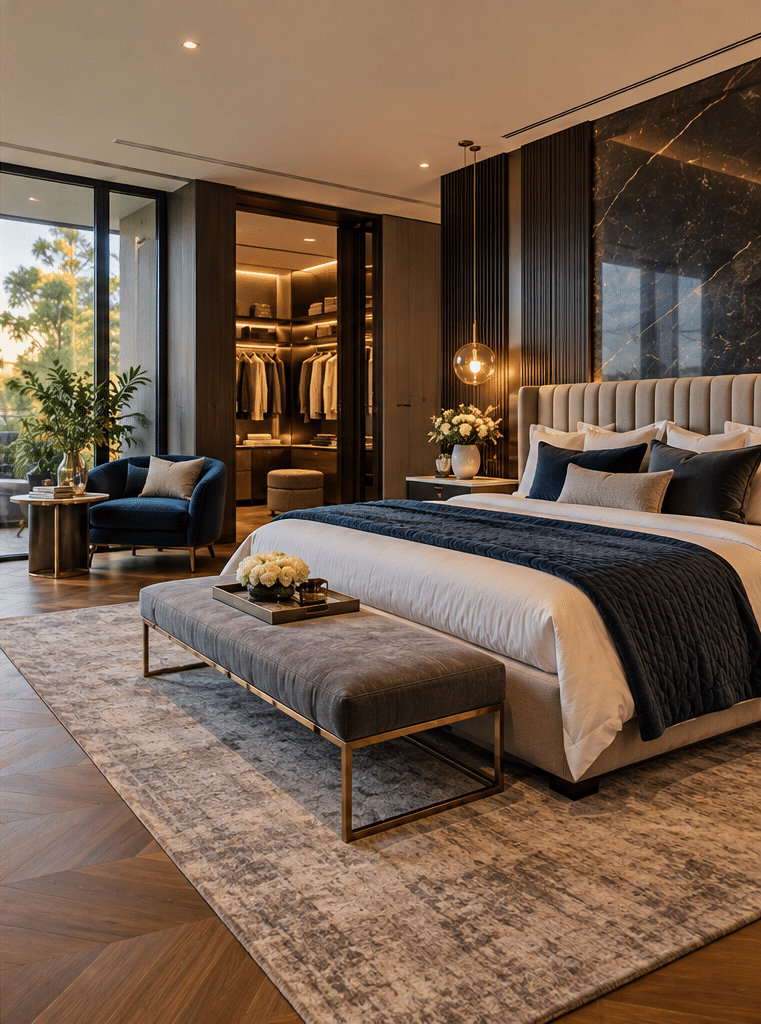
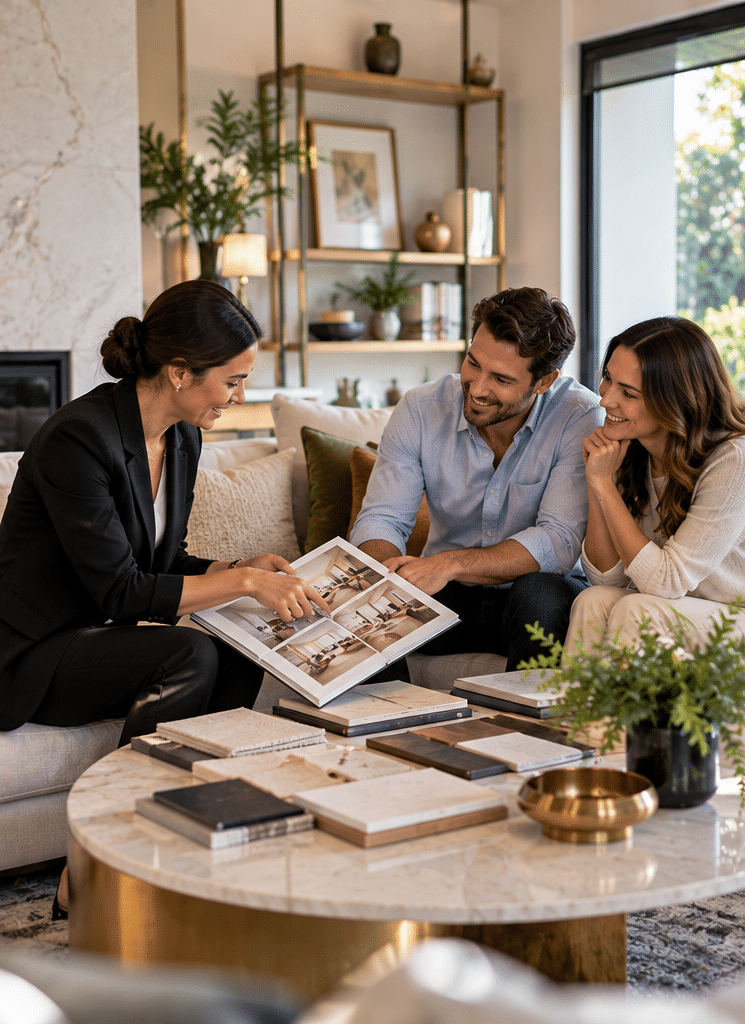
Creating a beautiful home involves more than choosing expensive furniture or following the latest decorating trends. Luxe interiors and design focus on creating spaces that feel elegant, comfortable and personal. From sophisticated Melbourne apartments to spacious Sydney homes and coastal Queensland residences, luxury interior design can combine timeless materials, thoughtful layouts and beautiful finishes with the practical needs of Australian living.
However, true luxury is not measured by price alone. A well-designed home should support daily routines, reflect its occupants and remain appealing over time. Whether you are renovating, building a new property or refreshing an existing room, understanding the principles of luxury design can help you make informed choices.
This guide explores how to achieve a refined interior through colour, furniture, lighting, materials and spatial planning. It also covers budgeting, Australian climate considerations, styling techniques and the questions worth asking before starting a project.
What Is Luxe Interiors and Design?
Luxe interiors and design is an approach to creating elegant, comfortable spaces through thoughtful layouts, balanced proportions, quality materials, layered lighting and carefully chosen details. In Australian homes, successful luxe design also responds to climate, daily routines and maintenance needs, so rooms feel refined without sacrificing practicality.

Table of Contents
- Understanding luxe interiors and design
- The essential principles of luxury interior design
- Popular luxe interior styles in Australia
- Designing for Australian homes and climates
- Planning layouts and improving spatial flow
- Selecting luxurious materials and finishes
- Choosing colours and textures
- Creating sophisticated lighting
- Room-by-room luxe design ideas
- Budgeting for a luxury interior
- Sustainable and practical luxury
- Renovation requirements and professional guidance
- Step-by-step luxe interior design checklist
- Common design mistakes to avoid
- People Also Ask
- Expert questions and answers
- Conclusion
1. Understanding Luxe Interiors and Design
Luxury interior design has changed over time. Traditionally, luxurious spaces were often associated with elaborate detailing, decorative furniture, polished stone and expensive ornaments.
Today, luxury can take many different forms.
Some homeowners prefer traditional European elegance, with detailed joinery, refined furniture and classic architectural elements. Others favour contemporary interiors with minimal decoration, natural textures and clean lines.
In both cases, the goal is similar: create a cohesive environment that feels intentional.
What Makes a Luxe Interior Different?
A luxurious interior generally combines several design elements:
- Quality: Materials and furnishings are chosen for their appearance, performance and durability.
- Comfort: Seating, lighting and layouts support everyday living.
- Balance: Furniture and decorative elements suit the scale of each room.
- Individuality: Personal artwork, meaningful objects and custom details reflect the homeowner.
- Consistency: Colours, finishes and materials work together across connected spaces.
- Craftsmanship: Joinery, upholstery and architectural details receive careful attention.
For example, a Melbourne living room does not need imported marble, designer furniture and elaborate lighting to feel luxurious.
Instead, a comfortable sofa, well-proportioned rug, timber coffee table, quality curtains and carefully positioned lighting may create a more inviting result.
The difference often comes from thoughtful selection rather than the number of expensive items.
Why Luxe Interiors and Design Appeal to Australian Homeowners
Australian lifestyles often place considerable value on comfortable living areas, natural light and connections between indoor and outdoor spaces.
As a result, luxury interiors need to balance visual appeal with practicality.
A family home may require washable upholstery, durable flooring and generous storage. Meanwhile, a city apartment might benefit from multifunctional furniture, built-in cabinetry and carefully controlled lighting.
In each case, successful design responds to the people using the space.
2. Essential Principles of Luxe Interiors and Design
A visually impressive room can still feel uncomfortable when its proportions, lighting or furniture arrangement are wrong.
Therefore, successful luxury design starts with fundamentals.
Prioritise Proportion and Scale
Proportion describes how individual elements relate to one another.
For example, a large sofa may overwhelm a compact apartment, while a small pendant light can appear insignificant above a generous dining table.
Before purchasing furniture, measure the room and map the available space.
Consider:
- The height and width of furniture
- Clearance around tables and seating
- Ceiling height
- Window and door positions
- The scale of rugs and artwork
- The relationship between neighbouring furniture pieces
A practical approach is to mark furniture dimensions on the floor using removable tape. This helps you understand how much space each item will occupy.
Create a Clear Focal Point
Most attractive rooms have a focal point that draws attention.
This might be a fireplace, artwork, sculptural light fitting or a carefully designed feature wall.
However, several competing focal points can make a room feel visually crowded.
For example, a living room with patterned wallpaper, a highly decorative chandelier, bold cushions and multiple statement artworks may lack balance.
Instead, choose one dominant feature and let surrounding elements support it.
Use Visual Balance
Balanced interiors do not always need perfect symmetry.
A traditional room might feature matching bedside tables and lamps. In contrast, a contemporary living room could balance one large artwork with a group of smaller objects.
Both arrangements can work when visual weight is distributed thoughtfully.
Invest in Details That Matter
Small details can influence how finished a room feels.
These include aligned joinery, neat curtain hems, comfortable furniture dimensions and consistent hardware finishes.
Likewise, practical details such as soft-close drawers and accessible storage can improve everyday comfort.
With luxe interiors and design, these elements often contribute more to long-term satisfaction than decorative accessories alone.
3. Popular Luxe Interiors and Design Styles in Australia
There is no single formula for creating a luxurious home.
Instead, homeowners can choose an aesthetic that suits their architecture, preferences and lifestyle.
Comparing Popular Luxury Interior Styles
| Interior style | Main characteristics | Suitable spaces | Practical consideration |
| Quiet luxury | Neutral tones, refined textures, restrained decoration | Modern homes and apartments | Relies on good proportions and material quality |
| Contemporary luxe | Clean lines, statement lighting, sophisticated finishes | New builds and renovated interiors | Avoid excessive reflective surfaces |
| European classic | Decorative mouldings, elegant furniture, detailed joinery | Period homes and formal living areas | Maintain harmony with existing architecture |
| Organic luxury | Natural timber, linen, stone and earthy colours | Coastal homes and relaxed family spaces | Consider staining, moisture and maintenance |
| Modern glamour | Metallic accents, sculptural furniture and dramatic lighting | Entertainment areas and formal rooms | Use statement features selectively |
Quiet Luxury
Quiet luxury focuses on subtle sophistication.
Rather than relying on prominent decorative elements, it creates visual interest through material quality, proportion and texture.
For example, a neutral living room might combine a linen sofa, natural stone table, wool rug and understated lighting.
The result can feel luxurious without appearing overly formal.
Contemporary Luxe
Contemporary luxury combines modern shapes with selected premium finishes.
Common features include streamlined cabinetry, large-format surfaces, integrated lighting and carefully chosen statement furniture.
However, simplicity requires attention to detail. Uneven finishes and poorly planned storage become more noticeable in uncluttered rooms.
European-Inspired Elegance
European-inspired interiors often use decorative mouldings, curved furniture, rich timber and classic detailing.
This approach can work particularly well in heritage-inspired properties.
For instance, a Melbourne period home might combine original ceiling roses with contemporary furniture and restrained colour choices.
The contrast creates depth while respecting the building’s character.
Organic Luxury
Organic luxury emphasises natural materials and a connection to the surrounding environment.
Timber, linen, textured plaster and natural stone can create warmth and visual softness.
Consequently, this style often suits Australian homes that prioritise relaxed living and outdoor connections.
The best choice is not necessarily the most fashionable style. It is the one that complements the property and the people who live there.
4. Luxe Interiors and Design for Australian Homes and Climates
Australia includes a wide range of climate conditions.
Therefore, interior design decisions that work in Melbourne may need adjustment for Brisbane, Perth, Darwin or Hobart.
Climate affects material selection, window treatments, ventilation and comfort.
Melbourne and Cooler Southern Regions
Homes in Melbourne and other cooler southern locations often benefit from a thoughtful balance of winter warmth and summer shade.
For example, well-fitted curtains can help manage heat loss around windows. Meanwhile, suitable floor coverings and upholstered furniture may improve the feeling of warmth.
Natural light also matters during cooler months.
According to the Australian Government’s YourHome guidance on building orientation, north-facing living areas can benefit from winter sunlight, while suitable shading can reduce unwanted summer heat.
As a result, decisions about window treatments should consider both daylight and thermal comfort.
Brisbane and Warm-Climate Interiors
In warmer regions, cooling and airflow may be greater priorities.
For example, breathable fabrics, effective shading and furniture layouts that do not block ventilation can improve comfort.
However, natural materials should still be assessed for local humidity and cleaning requirements.
A beautiful timber finish may need different care depending on the species, coating and indoor conditions.
Coastal Australian Homes
Coastal interiors often benefit from relaxed materials and soft colour palettes.
Nevertheless, coastal living presents practical challenges.
Salt-laden air can affect some metal finishes, particularly in exposed areas. Likewise, moisture and sunlight can influence the performance of fabrics and timber.
Therefore, choose suitable hardware, finishes and textiles based on their intended location.
Apartments and High-Density Living
City apartments require a different approach.
Storage, acoustic comfort, privacy and efficient layouts may be especially important.
For instance, floor-to-ceiling curtains can soften a room, while integrated storage helps preserve a clean appearance.
Before altering windows, balconies or shared building elements, apartment owners should also check applicable owners corporation or strata requirements.
Ultimately, climate-responsive luxe interiors and design create spaces that are both beautiful and comfortable to use.
5. Planning Layouts for Luxe Interiors and Design
A carefully planned layout creates the foundation for every other design decision.
Even expensive furniture can appear awkward when a room has poor circulation or unsuitable proportions.
Understand How the Room Will Be Used
Start by identifying the room’s main activities.
A living area may support television viewing, conversation, reading and entertaining.
However, each activity needs a suitable arrangement.
For example, if conversation is a priority, seating should face other seating rather than every chair pointing towards the television.
Similarly, a dining area needs enough space to move chairs and walk around the table.
Improve Movement Through the Space
Circulation refers to how people move between furniture and rooms.
Clear pathways make a home easier to use.
As a practical starting point, designers may aim for approximately 900 mm of clear width along important circulation routes where space allows. This is a planning guide, not a universal accessibility or building-code requirement.
Actual clearances should reflect furniture use, occupants’ needs and any applicable standards.
Design Around Natural Light
Observe how daylight enters the room.
For example, placing a reading chair beside a window may create a comfortable daytime reading area.
However, positioning a television directly opposite a bright window may create glare.
Therefore, furniture placement should consider light direction throughout the day.
Make Storage Part of the Architecture
Storage is particularly valuable in luxury interiors because visible clutter can weaken a carefully planned design.
Built-in cabinetry, concealed drawers and integrated shelving can help.
However, concealed storage should remain practical.
A beautifully designed cabinet that is difficult to access may look impressive but fail to support everyday living.
6. Materials That Bring Luxe Interiors and Design to Life
Material selection strongly influences the appearance, comfort and maintenance requirements of a home.
While premium finishes can create visual impact, their suitability matters just as much as their cost.
Natural Stone
Natural stone is often associated with luxury because each slab has unique patterns and variations.
Marble, limestone, travertine and granite offer different visual characteristics.
However, their performance varies.
For example, many marble surfaces are vulnerable to etching from acidic substances. Some natural stones also require sealing and specific cleaning products.
Therefore, homeowners should inspect samples and confirm maintenance requirements before selecting a surface.
Engineered Stone and Alternative Surfaces
Manufactured surfaces can provide consistent colours and patterns.
However, material composition and regulatory requirements matter.
Australia introduced a national prohibition on the manufacture, supply, processing and installation of most engineered stone benchtops, panels and slabs containing crystalline silica from 1 July 2024, with limited exceptions and transitional arrangements.
Consequently, do not assume that an older product labelled “engineered stone” remains suitable or lawful for a new project.
Ask suppliers and qualified trades about current compliant options, including appropriate porcelain, sintered surfaces and other materials.
Timber
Timber adds warmth and natural character.
It can be used in flooring, furniture, wall panelling and cabinetry.
Different species offer different colours, grain patterns and hardness.
For instance, Australian timbers such as spotted gum and blackbutt are commonly considered for flooring and joinery, subject to their suitability and finish.
However, timber responds to changes in moisture and temperature.
Good installation, suitable coatings and regular maintenance are important.
Upholstery and Soft Furnishings
Linen, wool, velvet and performance fabrics can add texture and comfort.
Each has advantages and limitations.
Linen offers a relaxed appearance but can crease. Velvet creates rich visual depth but may show pressure marks. Performance fabrics may be easier to clean, although suitability varies by product.
For family homes, review abrasion resistance, cleaning instructions and stain performance before choosing upholstery.
Metal, Glass and Decorative Details
Brass-toned hardware, bronze finishes, glass and mirrors can create contrast.
However, mixing too many finishes can make a room appear inconsistent.
A useful approach is to select one primary metal finish and use another sparingly.
For example, warm brass-toned handles may complement timber joinery, while black metal details provide contrast.
The goal is coordination rather than perfect matching.
7. Choosing Colours for Luxe Interiors and Design
Colour affects the mood and visual balance of a room.
Although neutral palettes are common in luxury interiors, bold colours can also work beautifully.
The key is choosing colours that complement the architecture and available light.
Warm Neutrals
Warm whites, beige, taupe and soft greige can create a calm foundation.
These colours often work well with natural timber, stone and textured fabrics.
However, undertones matter.
A white paint that looks neutral in a showroom may appear yellow, pink or grey under different lighting.
Therefore, test large paint samples inside the actual room.
Rich Accent Colours
Deep green, navy, burgundy and chocolate brown can add depth.
For example, a dark green armchair may provide contrast against cream walls.
Similarly, a richly coloured artwork can bring personality to a restrained space.
However, balance bold elements with quieter surfaces.
The 60-30-10 Colour Approach
One optional decorating guide is the 60-30-10 rule:
- 60% dominant colour
- 30% secondary colour
- 10% accent colour
For example, a room might use warm white walls, timber and beige furnishings, and restrained bronze or dark green accents.
These percentages are a styling guide, not a technical requirement.
Some successful interiors use a single colour family with changes in texture instead.
Use Texture to Avoid Flat Interiors
A neutral room can feel lifeless when every surface is smooth.
Therefore, combine materials with different visual qualities.
For example, pair smooth stone with textured upholstery, woven rugs and natural timber.
This creates contrast without requiring additional colours.
8. Lighting for Sophisticated Luxe Interiors and Design
Lighting is one of the most important elements of a well-designed interior.
A beautiful room may look ordinary under unsuitable lighting.
Conversely, thoughtful lighting can highlight materials, improve comfort and create atmosphere.
Use Layered Lighting
Layered lighting combines different types of illumination.
Ambient lighting provides general visibility. Examples include ceiling fixtures, recessed lights and indirect lighting.
Task lighting supports specific activities, such as reading, cooking or working.
Accent lighting highlights features such as artwork, textured walls or display shelving.
For example, a luxurious living room might combine ceiling lighting, a floor lamp and a discreet picture light.
This creates flexibility throughout the day.
Choose Appropriate Colour Temperature
Colour temperature describes whether light appears warm or cool.
It is measured in kelvin (K).
For many residential living areas, warm-white lighting around 2700 K to 3000 K creates a relaxed atmosphere.
However, personal preference and task requirements vary.
A bathroom vanity or work area may benefit from different lighting characteristics.
Also consider colour rendering. Lights with good colour rendering help fabrics, paint and finishes appear more natural.
Make Lighting Controls Practical
Dimmers can help adjust brightness for different activities.
For example, brighter lighting may be useful when cleaning, while lower levels can create a relaxed evening atmosphere.
However, dimmers and LED fittings must be compatible.
A qualified electrician should assess installation requirements.
Avoid Overlighting
More lights do not necessarily create a more luxurious space.
Excessive downlights may produce glare or make a room feel harsh.
Instead, combine focused and indirect lighting where appropriate.
For luxe interiors and design, lighting should enhance the room without becoming distracting.
9. Room-by-Room Luxe Interiors and Design Ideas
Each room serves a different purpose.
Therefore, luxury styling should respond to how the space is used.
Living Room: Comfort and Elegance
A living room should feel welcoming while maintaining visual balance.
Start with the main seating arrangement.
Choose a sofa that suits the room’s dimensions and supports comfortable sitting.
Then add complementary furniture such as armchairs, side tables and a coffee table.
A generously sized rug can help define the seating area. Where practical, position at least the front legs of major seating pieces on the rug.
Add carefully selected artwork, cushions and lighting.
However, avoid overcrowding shelves and tables.
Leaving some surfaces open can make a room feel calmer.
Bedroom: Creating a Luxury Retreat
A luxurious bedroom should prioritise rest and comfort.
Begin with a supportive mattress, appropriate bedding and practical bedside storage.
Then consider the visual balance of the bed and surrounding furniture.
An upholstered headboard can soften the appearance of the room.
Likewise, curtains can provide privacy and help control early morning light.
For additional comfort, consider warm lighting and easily accessible bedside controls.
However, avoid placing too many decorative objects near the sleeping area.
The bedroom should remain simple to maintain.
Kitchen: Function Before Decoration
A luxury kitchen needs to work efficiently.
Therefore, layout, storage and cleaning requirements should come before decorative finishes.
Consider the relationship between the sink, preparation areas, cooking appliances and refrigerator.
Frequently used items should be easy to access.
Cabinet interiors, drawers and pantry storage deserve as much attention as visible surfaces.
For example, a beautiful kitchen with insufficient bench space may become frustrating during everyday cooking.
Choose benchtops, splashbacks and joinery based on both appearance and maintenance needs.
Bathroom: A Calm and Functional Space
Bathrooms can create a spa-like atmosphere through restrained colours, quality fittings and thoughtful lighting.
However, waterproofing and slip resistance are more important than appearance alone.
Select suitable floor surfaces for wet areas.
Likewise, consider storage for toiletries, towels and cleaning products.
Wall-mounted cabinetry may help keep smaller bathrooms visually open.
A well-positioned mirror and suitable vanity lighting also improve practical use.
Dining Room: Creating a Welcoming Setting
A refined dining area should support conversation and comfortable movement.
Choose a dining table that fits the space without restricting access.
Then select chairs with appropriate seat height and back support.
A pendant light can help define the dining area.
However, it should not obstruct views across the table.
For an understated finish, add a simple centrepiece rather than excessive decoration.
Home Office: Luxury Meets Productivity
A home office can combine visual elegance with practical ergonomics.
For example, a timber desk, comfortable chair and well-planned storage may create a refined workspace.
Nevertheless, a decorative chair is not always suitable for long working hours.
Prioritise adjustability, screen placement and task lighting.
Concealed cable management can also improve the room’s appearance.
10. Budgeting for Luxe Interiors and Design in Australia
Luxury interiors can involve substantial financial commitments.
However, a successful result does not require replacing everything in a home.
Instead, a clear budget helps identify where spending will create the greatest benefit.
Define Your Project Scope
First, decide whether the project involves:
- Decorative restyling
- Furniture and lighting replacement
- Custom cabinetry
- Kitchen or bathroom renovation
- Architectural changes
- Whole-home interior design
These project types involve different costs, trades and timelines.
Therefore, avoid comparing a simple styling project with a full renovation.
Prioritise High-Impact Purchases
Spending priorities depend on the household.
For example, a family may place greater value on a durable sofa and quality flooring than on decorative lighting.
Meanwhile, a homeowner who frequently entertains may prioritise dining furniture and a functional kitchen.
A practical strategy is to divide purchases into three groups:
Essential: Furniture, fittings and repairs needed for the room to function.
High impact: Items that strongly influence appearance or comfort.
Optional: Decorative pieces that can be purchased later.
This approach helps control spending without sacrificing the overall design direction.
Example Budget Allocation
For an illustrative furniture-and-styling budget of A$20,000, a homeowner might allocate:
| Category | Example allocation |
| Major furniture | A$8,000 |
| Window treatments and rugs | A$3,000 |
| Lighting | A$2,000 |
| Artwork and accessories | A$2,000 |
| Delivery and installation | A$2,000 |
| Contingency | A$3,000 |
| Total | A$20,000 |
These figures are hypothetical planning amounts, not current Australian market quotes or recommendations for a specific property.
Actual prices vary by size, material, supplier, location and installation requirements.
Renovations involving construction, plumbing or electrical work require a separate, itemised estimate.
Avoid Spending Everything at Once
A phased approach can be effective.
For example, complete essential furniture purchases first.
Then assess how the room feels before choosing artwork and decorative accessories.
This reduces the risk of buying unnecessary items.
It also allows the design to develop around real daily use.
11. Sustainable and Practical Luxury Interior Design
A luxurious home should remain comfortable and useful beyond the initial styling process.
Therefore, longevity is an important consideration.
Buy for Long-Term Use
Choose furniture based on construction quality, comfort and repairability.
For example, a well-made sofa with replaceable upholstery or cushions may offer more flexibility than a product that is difficult to repair.
However, higher prices do not automatically indicate better durability.
Review product specifications and care requirements before purchasing.
Consider Material Origins
Some homeowners prefer locally sourced timber, Australian-made furniture or products with credible environmental certifications.
These choices may support particular sustainability goals.
However, the environmental impact of a product depends on more than its country of origin.
Material processing, transport, expected lifespan and disposal all matter.
Therefore, avoid assuming that every natural product is automatically sustainable.
Reduce Unnecessary Replacement
Reusing existing furniture can be an effective way to create a refined home.
For example, a solid timber dining table may suit a redesigned room after professional refinishing.
Likewise, reupholstering a suitable armchair can give it a different appearance.
However, restoration costs should be compared with replacement options.
Design for Changing Needs
A home may need to accommodate children, older relatives or changes in mobility.
Consider comfortable access, manageable furniture heights, adequate lighting and safe movement between spaces.
Where relevant, involve an appropriately qualified professional in accessibility planning.
Ultimately, thoughtful luxe interiors and design should support the household over time rather than depend entirely on short-lived trends.
12. Renovation Requirements and Professional Guidance in Australia
Some interior styling projects involve only furniture, paint and decoration.
Others require construction, electrical work, plumbing or alterations to existing building elements.
These activities have different responsibilities.
Understand the Difference Between Styling and Building Work
Decorative styling typically focuses on selecting and arranging furnishings, colours, artwork and accessories.
In contrast, structural alterations, waterproofing changes and certain installations can involve regulated building work.
According to Victoria’s Building and Plumbing Commission guidance on the National Construction Code, the NCC sets minimum building requirements relating to safety, health, amenity, accessibility and sustainability.
However, requirements differ by state, territory, building type and project date.
Therefore, homeowners should confirm the applicable rules before starting construction.
Check Approvals and Qualified Trades
Depending on the project, administrative checks may include:
- Confirming whether planning or building permits are required
- Checking builder or trade registration
- Reviewing architectural or engineering documentation
- Confirming strata or owners corporation permissions
- Arranging required inspections
- Reviewing insurance and warranty documentation
A licensed or registered professional should assess requirements within their area of expertise.
This information is general project-planning guidance, not legal or regulatory advice.
Review Written Agreements Carefully
A clear written scope can reduce misunderstandings.
It should identify the services, deliverables, materials, costs, payment arrangements and variation process.
The Australian Competition and Consumer Commission explains that consumers have certain protections when purchasing services under the Australian Consumer Law consumer guarantees.
These protections include due care and skill, subject to the law’s application and exceptions.
However, specific disputes, contracts and building obligations may require professional advice.
Know When to Hire a Specialist
An interior designer or stylist may help with space planning, colour schemes, finishes and furnishings.
However, building design, structural engineering, electrical work and plumbing may require appropriately qualified or registered practitioners.
For example, removing a wall should never be treated as a simple decorative decision.
Instead, obtain the necessary professional assessment before work begins.
13. Step-by-Step Luxe Interiors and Design Checklist
A structured process helps keep design decisions organised.
Use the following checklist before beginning a home styling or renovation project.
1. Identify Your Main Goals
Write down what you want to improve.
For example, your priorities may include better storage, more comfortable seating or a calmer bedroom.
Separate essential needs from optional preferences.
2. Assess the Existing Space
Measure walls, windows, doors and ceiling heights.
Record important details such as power outlets, architectural features and built-in storage.
Also identify elements that should remain.
3. Study Natural Light
Observe the space at different times of day.
For example, compare morning and afternoon light before selecting paint colours or window treatments.
4. Establish a Realistic Budget
Decide how much you can spend.
Include furniture, labour, delivery, installation and a contingency where appropriate.
For construction work, obtain detailed professional quotes.
5. Choose a Design Direction
Create a small collection of reference images showing preferred colours, materials and furniture.
Look for consistent themes rather than copying an entire room.
6. Develop a Floor Plan
Position major furniture before selecting accessories.
Check circulation, door clearances and practical access to storage.
7. Select Core Materials
Choose flooring, major upholstery, cabinetry finishes and other permanent or expensive elements first.
Confirm product suitability and maintenance requirements.
8. Plan the Lighting
Identify ambient, task and accent lighting needs.
If electrical alterations are necessary, consult a qualified electrician.
9. Order Samples
Test paint, fabric, timber and surface samples in the actual space.
View them under daylight and artificial lighting.
10. Confirm Purchasing and Installation Details
Review measurements, lead times, delivery access and return conditions.
For larger items, check stairways, lifts and door openings before ordering.
11. Install Major Furniture First
Position beds, sofas, dining tables and storage pieces before adding decorative objects.
Then assess whether the layout feels balanced.
12. Add the Final Styling Layers
Introduce artwork, cushions, rugs, plants and decorative lighting.
However, stop when the room feels complete rather than filling every surface.
13. Review the Space After Daily Use
Live with the arrangement for a short period.
Then identify any problems with comfort, movement, storage or lighting.
Small adjustments may improve the result without further major purchases.
This process makes luxe interiors and design more manageable while reducing costly decisions made in haste.
14. Common Luxe Interiors and Design Mistakes to Avoid
Even attractive materials can produce disappointing results when design fundamentals are overlooked.
Buying Furniture Before Measuring
Furniture that appears suitable online may be too large for the room.
Therefore, confirm measurements before placing an order.
Check both furniture dimensions and delivery access.
Following Too Many Trends
Combining several popular design styles can create a disconnected interior.
Instead, choose a clear foundation and introduce selected contemporary details.
This helps the home remain visually consistent.
Ignoring Practical Storage
A room may look beautiful in photographs but become cluttered during everyday use.
Therefore, include storage for frequently used belongings.
Choosing Appearance Over Comfort
An uncomfortable sofa or impractical dining chair can reduce enjoyment of the space.
Test important furniture wherever possible.
Using Only One Type of Lighting
A single bright ceiling light rarely provides the flexibility needed for different activities.
Instead, combine appropriate lighting layers.
Overdecorating
Too many accessories can distract from furniture and architectural details.
A few meaningful objects often create a stronger visual effect.
Ignoring Maintenance Requirements
Certain fabrics, stones and finishes require regular care.
Before purchasing, consider whether the maintenance suits your lifestyle.
A luxury home should be enjoyable to live in, not unnecessarily difficult to maintain.
15. People Also Ask: Luxe Interiors and Design
What is the difference between luxury interior design and ordinary interior design?
Both approaches aim to create functional, attractive spaces. Luxury interior design often places additional emphasis on bespoke details, refined materials, craftsmanship and a highly coordinated result, although these features are not exclusive to expensive projects.
How can I make my Australian home look luxurious on a budget?
Start with a cohesive colour palette, suitable furniture proportions and effective lighting. Then improve the room with quality curtains, a well-sized rug and selected decorative pieces rather than replacing everything at once.
What colours are popular for luxe interior design?
Warm whites, beige, taupe, soft grey and earthy tones are common in understated luxury interiors. However, deeper colours such as navy, forest green and burgundy can also create elegant spaces when used with suitable lighting and materials.
Can luxe interiors and design work in small apartments?
Yes. Smaller spaces can benefit from custom storage, appropriately scaled furniture, thoughtful lighting and restrained decoration. The goal is to improve comfort and visual balance rather than fill the room with luxury products.
Is minimalist design the same as quiet luxury?
Not exactly. Minimalism generally focuses on reducing unnecessary elements, while quiet luxury emphasises subtle quality, comfort and craftsmanship. The two styles can overlap, but a quietly luxurious room may still contain rich textures and decorative details.
16. Expert Q&A: Luxe Interiors and Design
1. How do I choose an interior designer for a luxury home project?
Start by reviewing the designer’s portfolio and identifying projects with similar requirements.
Then discuss the scope of services, fees, communication process and expected deliverables.
Ask whether the project includes furniture sourcing, technical drawings, trade coordination or installation support.
These services are not always included in every proposal.
Also clarify how revisions and additional purchases are handled.
A suitable designer should understand your lifestyle and explain their process clearly rather than simply recommend expensive products.
2. Should I renovate my entire home or improve one room at a time?
The best approach depends on the condition of the property and the relationships between rooms.
A full renovation may offer advantages when several connected areas require structural or technical changes.
However, a phased approach can be more manageable when the existing layout is functional.
For example, you might begin with the living room and continue with bedrooms later.
Before choosing, consider whether future work could damage newly completed finishes.
Coordinating related construction tasks can sometimes reduce disruption.
3. How can I combine heritage architecture with modern luxury furniture?
Start by identifying the property’s original architectural features.
These may include ceiling roses, cornices, fireplaces, decorative joinery or timber flooring.
Then choose modern furniture that complements the proportions and character of the rooms.
For example, a contemporary sofa can work beside traditional wall panelling when colours and materials are balanced.
However, avoid removing original features without considering heritage restrictions and the property’s architectural value.
A successful result often comes from respectful contrast rather than making every element match.
4. Which luxury finishes are best for homes with children and pets?
Prioritise surfaces that are durable, comfortable and easy to maintain.
For example, tightly woven upholstery or suitable performance fabrics may be more practical than delicate materials.
Likewise, flooring should be assessed for wear resistance, cleaning requirements and slip performance.
Avoid sharp-edged furniture in frequently used family spaces where it creates an avoidable risk.
However, durability varies between individual products.
Always review manufacturer specifications rather than relying only on a material’s general reputation.
5. What should I prepare before an interior design consultation?
Prepare room measurements, photographs and a summary of your project goals.
Include a realistic budget range and explain how the space is used.
It also helps to collect examples of colours, furniture and interiors you like.
However, include a few examples of styles you dislike as well.
Finally, identify important practical requirements such as pets, children, storage, accessibility or maintenance preferences.
This information helps create a design brief that reflects your needs rather than relying entirely on appearance.
17. Conclusion: Creating a Home That Feels Beautiful and Personal
Luxe interiors and design are not simply about purchasing expensive furniture or following fashionable decorating ideas.
Instead, lasting luxury comes from combining visual refinement with thoughtful planning, comfort and functionality.
For Australian homeowners, this means selecting suitable materials, understanding local climate conditions, planning efficient layouts and choosing details that reflect personal style.
Whether you prefer quiet luxury, contemporary elegance or European-inspired interiors, begin with the fundamentals. Focus on proportion, lighting, colour coordination, durable materials and practical storage.
Most importantly, remember that a luxurious home should feel comfortable to live in.
If you are planning to refresh your Melbourne property, explore contemporary luxury styling or create a more sophisticated interior, discover VM Lux Avenue’s Melbourne interior design and property styling services.